Hieroglyph tattoo ideas and designs
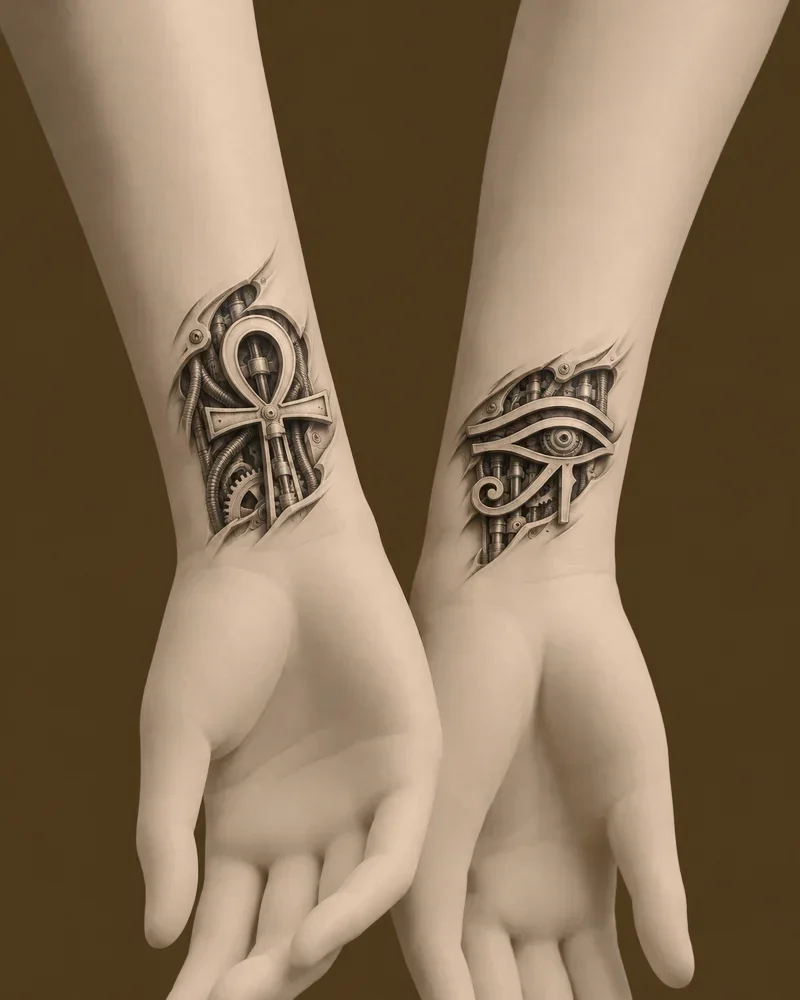
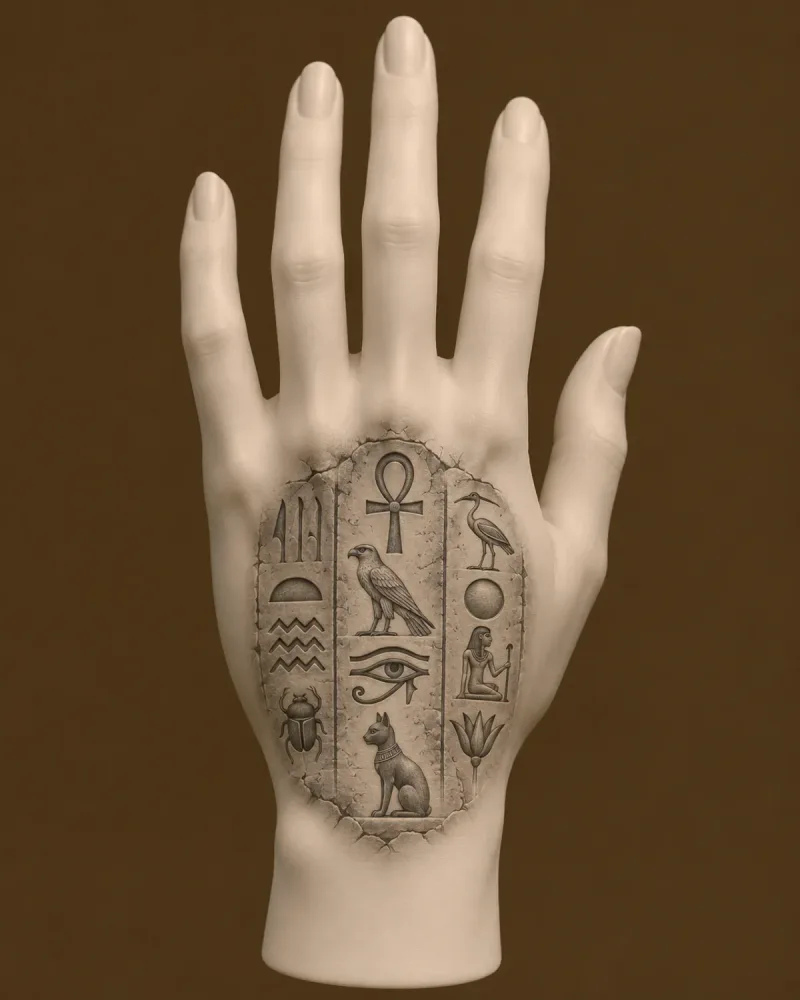
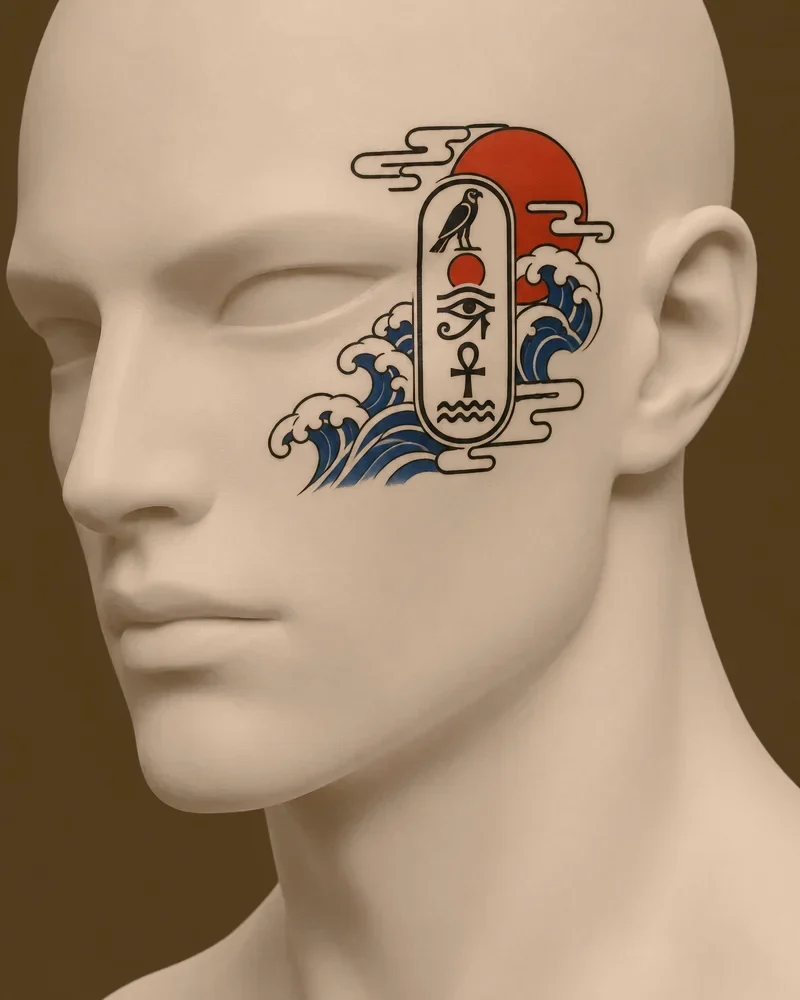
I've put together hieroglyph tattoo ideas: Chinese and Japanese characters on skin. Below the gallery I explain what they mean, how to check the translation, and which style to choose.
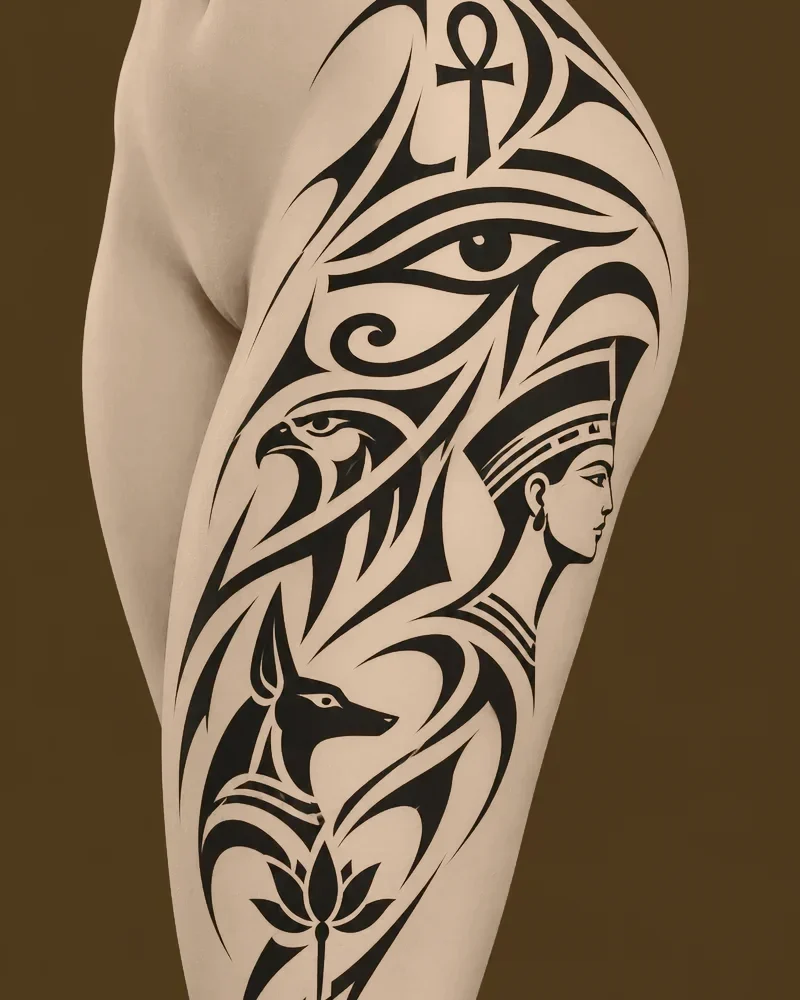
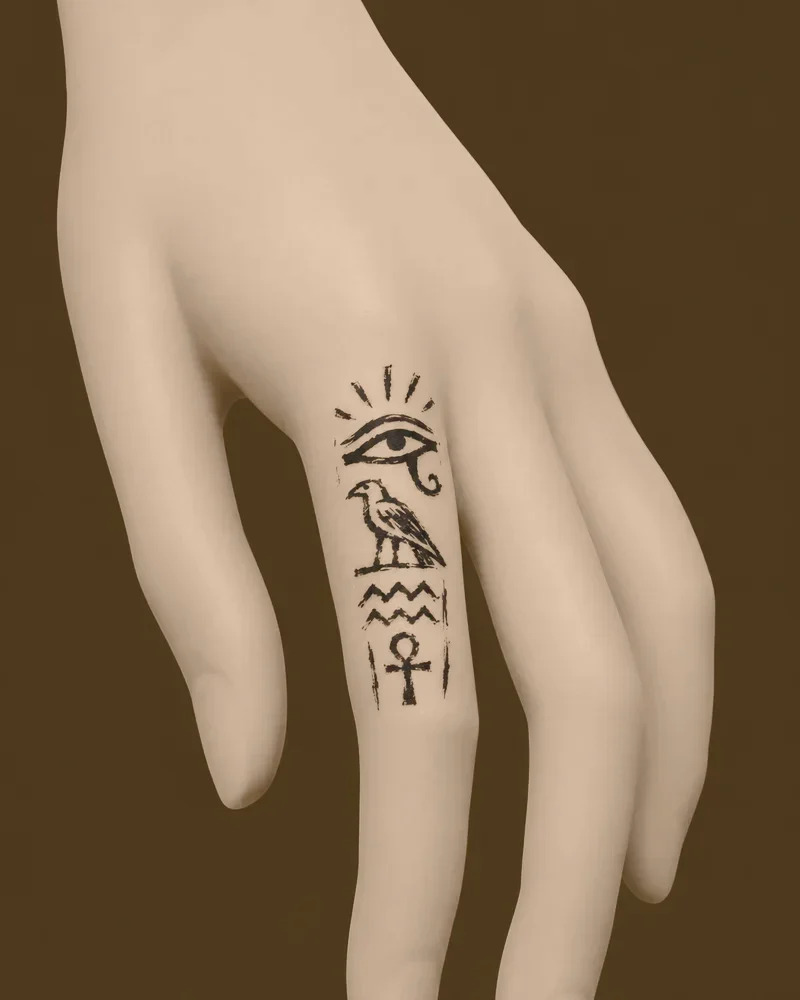
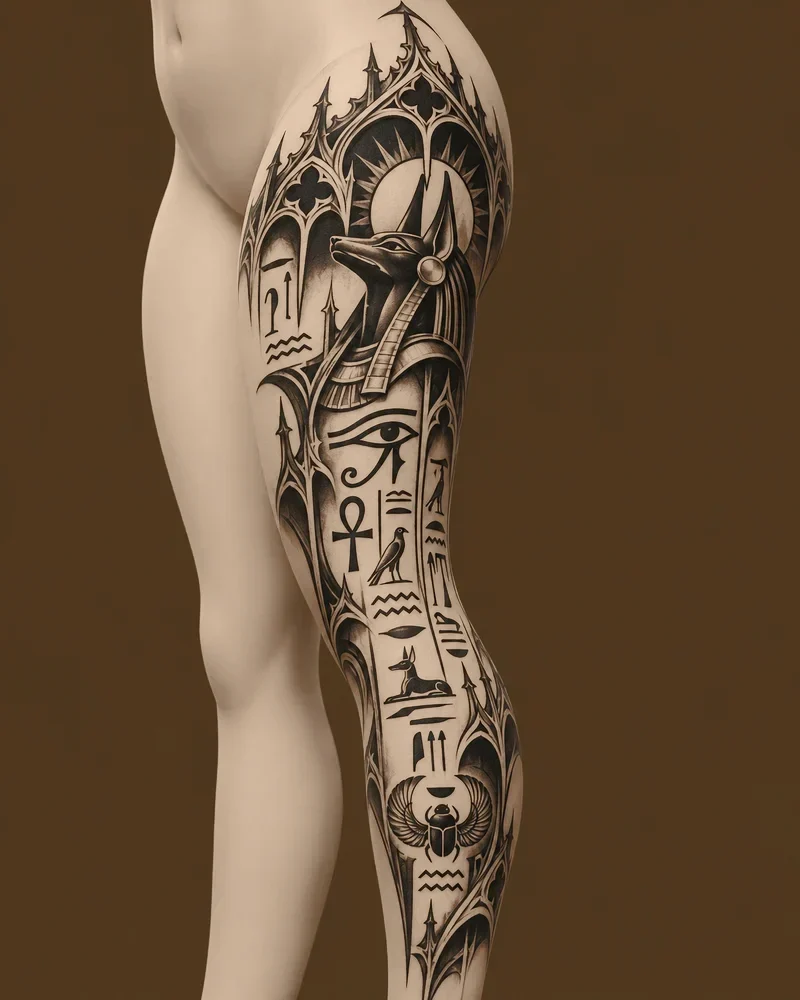
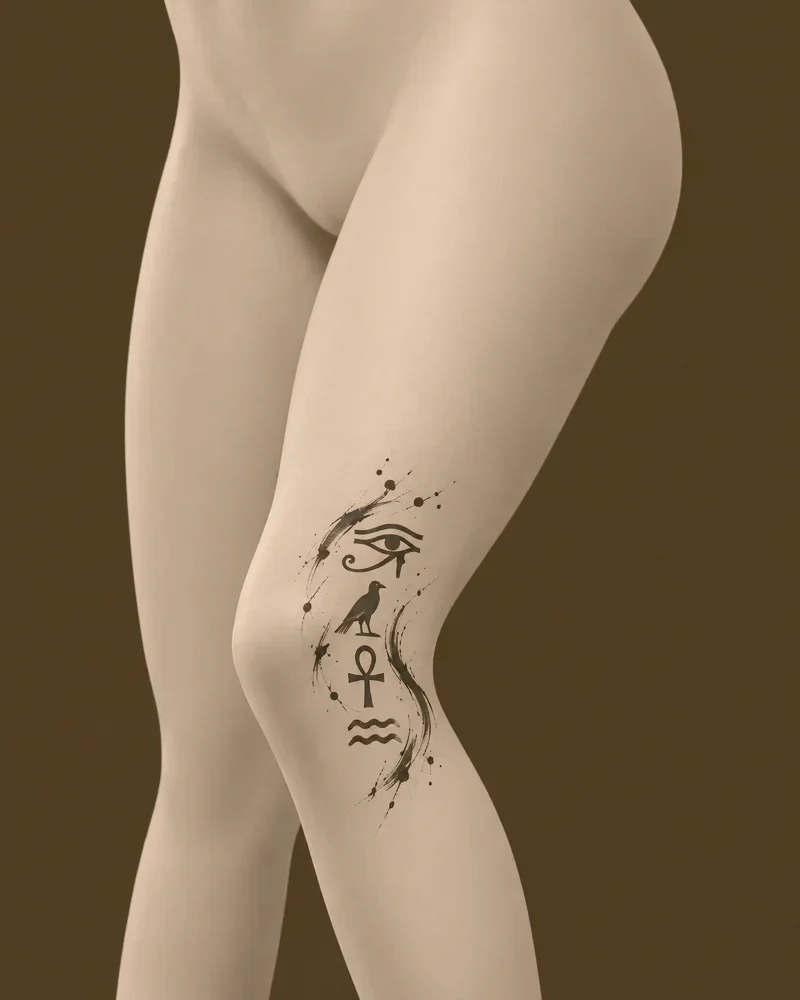
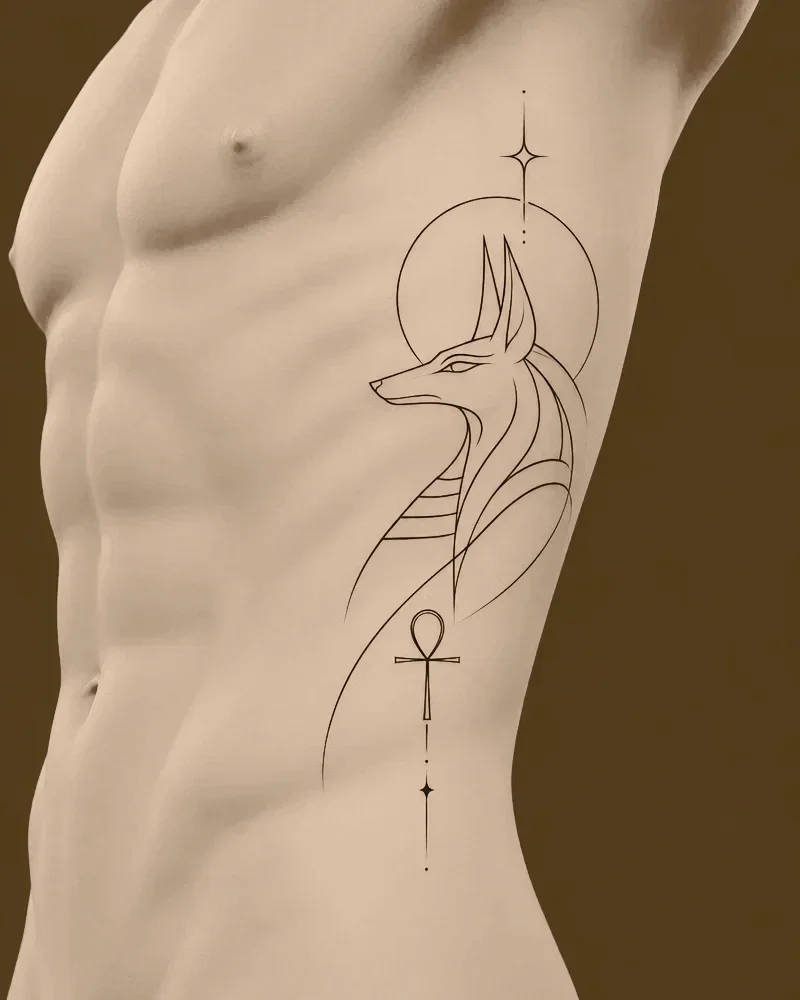
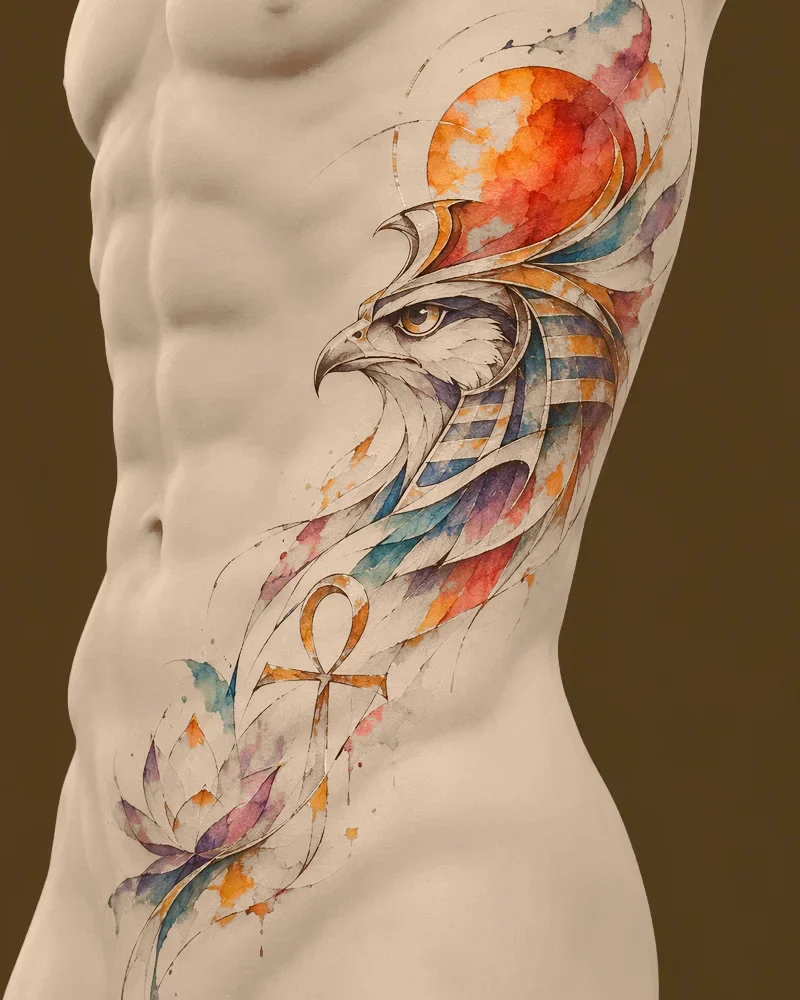
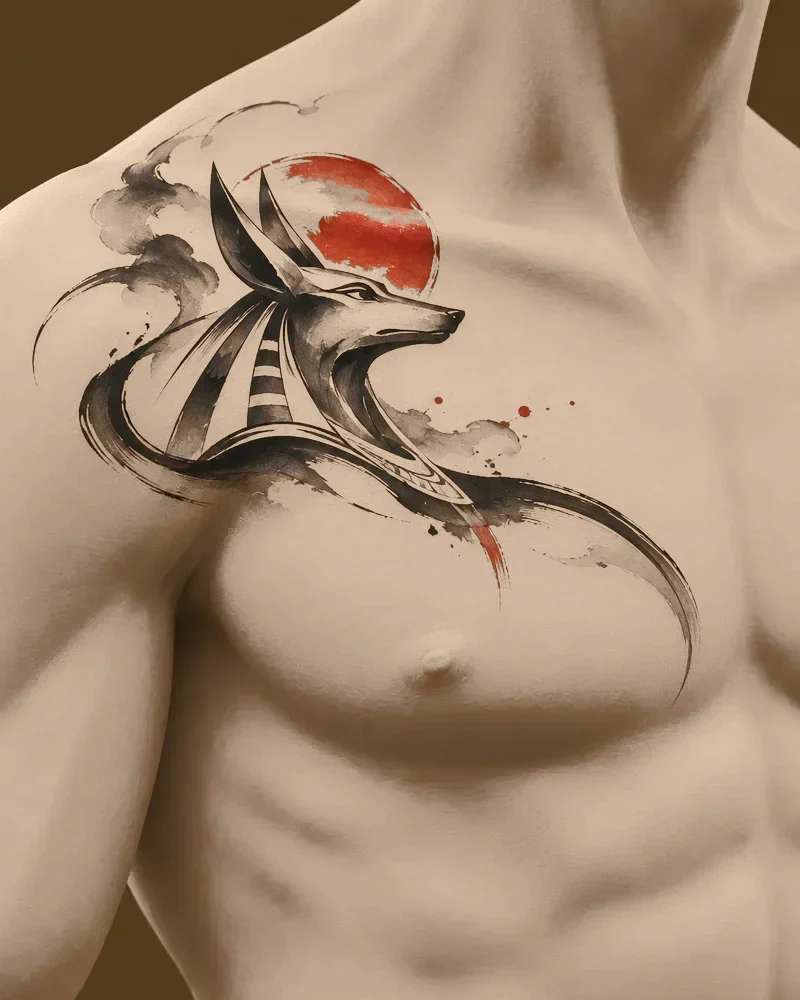
What hieroglyph tattoos actually mean
People usually mean Chinese characters (hanzi) or Japanese characters (kanji) when they say “hieroglyph tattoo” — two different writing systems, though many characters overlap, because Japanese writing adopted them from China around the 8th century. If one language matters to you, say so upfront — it decides who you need to check the translation.
Most characters carry more than one meaning, and plenty of “meanings” online come with no dictionary behind them. One extra stroke changes the character, so what follows below is only what dictionaries and historical sources actually confirm.
- 家 (jiā)“Home”, “family”: the roof radical on top, and underneath a character that started out as “boar” and drifted to look like “pig” — the sense is family under one roof
- 愛 (ài)“To love”, “to cherish”: built on the heart radical; a later stroke added a sense of moving towards the one you love
- 福 (fú)“Good fortune”, “blessing”: hung upside down on doors at Chinese New Year, because “upside down” and “arrived” sound the same — so the fortune has “arrived”
How to check a hieroglyph before you get it tattooed
You can get a hieroglyph tattooed without speaking the language, but only once a native speaker confirms the meaning: one extra or missing stroke turns a character into another one, and a phone translator mixes up similar-looking characters and word forms. I explain how to check a phrase or a single character before a session in the guide to lettering tattoos.
A name or word in hieroglyphs isn't spelled letter by letter — it's built from characters chosen for sound and meaning, and that's easy to get wrong. Sinologist Victor Mair, of the University of Pennsylvania, writes about mixed-up and reversed hieroglyph tattoos on his Language Log blog, and his advice is: check the text before the session, not after.
A hieroglyph also carries its own cultural context, and I go through checking a symbol against several sources in the guide to symbols and context.
- A translation and handwriting confirmed by a native speakerOften: A translation copied from a picture online
- A character chosen for meaning and sound, explained by a native speakerOften: A word spelled out letter by letter

Before the session I ask people to read their hieroglyph out loud and say what it means. If they can't, it's worth checking the translation again.
Where people get hieroglyph tattoos
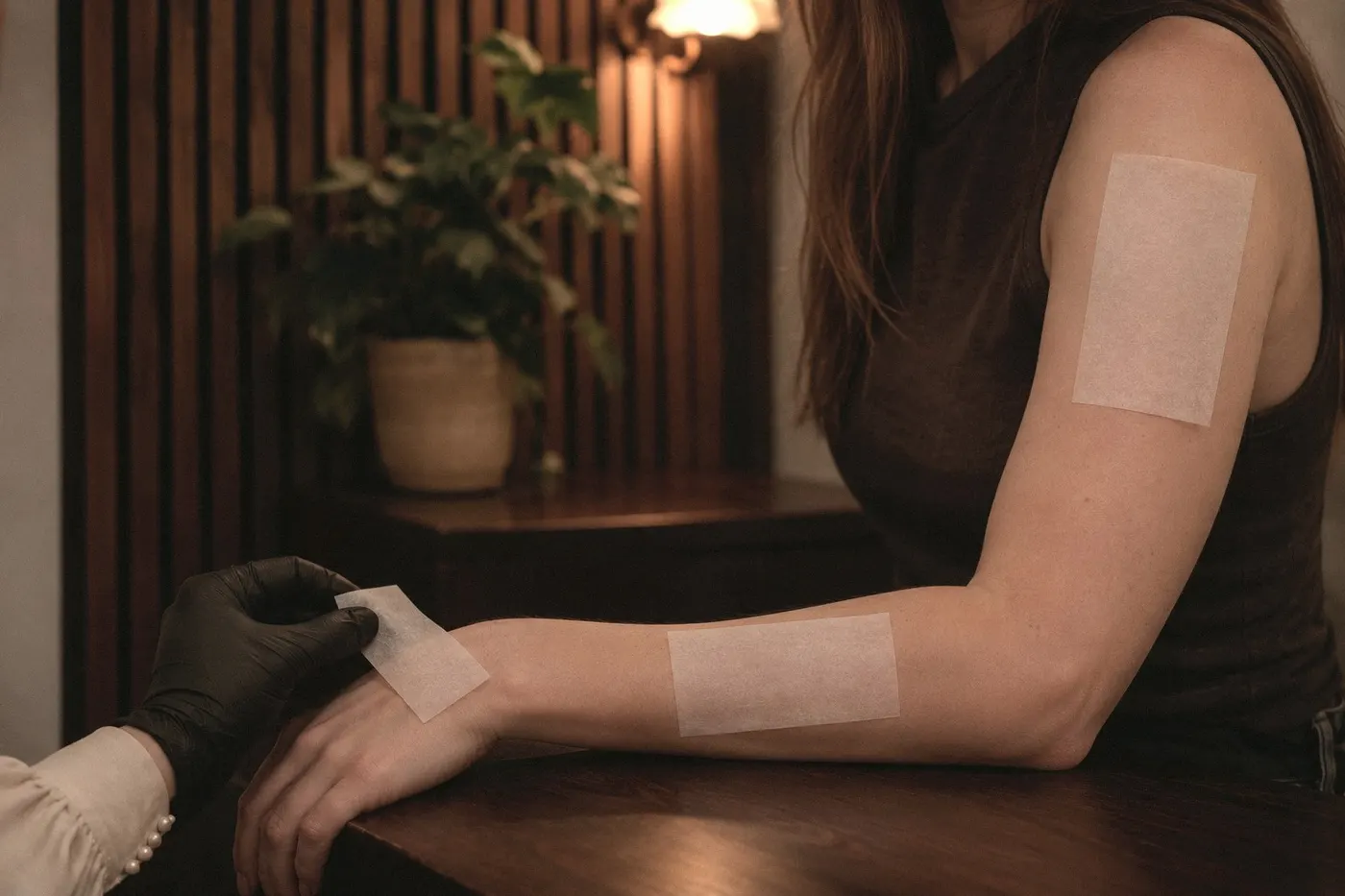
A single hieroglyph with no extra detail looks good almost anywhere: on the wrist, the collarbone or the shoulder blade. A bigger composition of several characters usually becomes a sleeve: one big piece covering the whole arm, running down the forearm and over the shoulder, or along the ribs.
A small character on the finger or ankle looks neat, but skin there renews itself faster, so fine strokes blur sooner than on the thigh or lower back. People choose the neck and the face less often — they're noticeable spots, and it's worth discussing the size of the character there in advance.
Which styles suit hieroglyph tattoos
I usually do a single hieroglyph or a short vertical inscription in graphic style, minimalism or blackwork — a crisp outline keeps the strokes from blurring into each other over time. And I do colour too, so the shade is up to you.
I don't do realism. A portrait or a photo I'll draw in graphic style instead: line and likeness read from a distance, and they hold up longer than soft shading. And Japanese style, old school or chicano with a hieroglyph I'm happy to do if that's the look you're after.
- GraphicA crisp outline, every stroke visible
- BlackworkA solid fill, holds up longer than a thin line
- MinimalismA single character with no extra lines
- Fine lineA thin outline for a small hieroglyph
- AnimeGood if the design needs a character next to the hieroglyph
- RealismNot something I do — I'll draw the character in graphic style instead
Hieroglyph tattoos for women, for men, and for mother and daughter
Hieroglyphs come up for women and men alike, and the character itself has no gender: only the size and placement tend to differ. Sometimes two people share one character: a mother and daughter take the same hieroglyph, or a pair of characters close in meaning, say “family” and “love”. For more ideas for two, see the couples tattoo page.
Where to find hieroglyph tattoo design ideas besides Pinterest
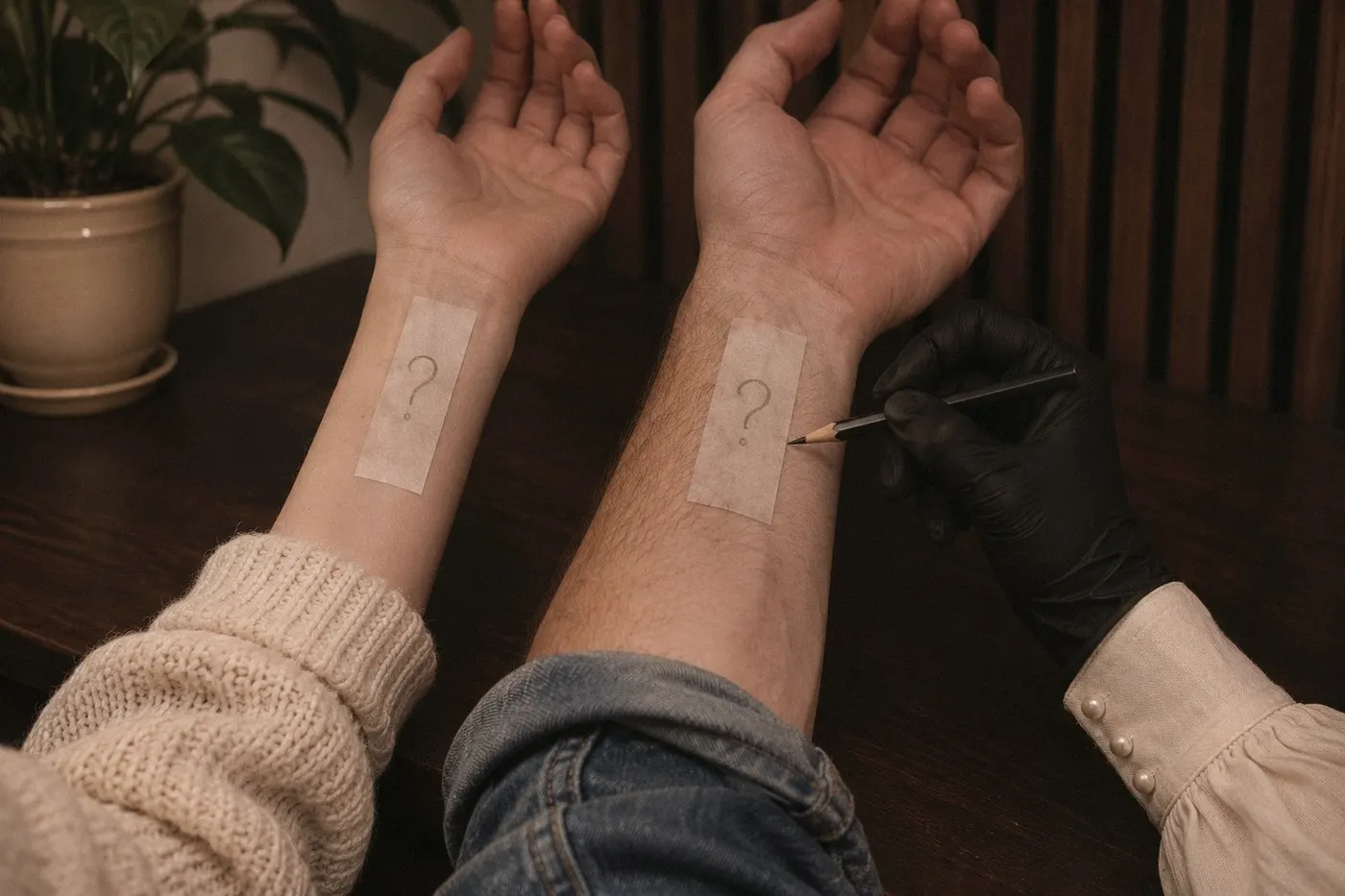
Look beyond tattoo galleries: calligraphy, old inscriptions and dictionaries all have something to offer. Asking a native speaker to write the character out by hand is just as solid an idea.
If a hieroglyph catches your eye, send it over and tell me what it means to you. We'll check the meaning with a native speaker, and I'll draw the design to fit your size and placement.
AI is handy for seeing the same character in graphic style, blackwork or fine line on an arm. ChatGPT, Gemini and Ideogram are free to try; Midjourney is paid. Send me the one you like and I'll draw the design myself.
Ready-to-use prompt
Close to home
- A hieroglyph from a native speaker
Ask a Chinese or Japanese speaker to write out the character you want by hand and explain its meaning and reading. Send me the photo — I'll keep the shape and the exact strokes in the design.
Instead of Pinterest
- Wikimedia Commons: Chinese calligraphy
The Chinese calligraphy category — calligraphy samples across eras and styles. Free to browse and download.
- Wikimedia Commons: Japanese calligraphy
The Japanese calligraphy category — Japanese calligraphy by period, from old scrolls to modern work.
Books, museums, archives
- Wikimedia Commons: Oracle bone script
The Oracle bone script category — photographs of the oldest known Chinese inscriptions, carved on shell and bone.
- Wiktionary
Look up any hieroglyph's radical, origin and meaning before you choose it for a design.
Hieroglyph tattoo FAQs
Can't find your question? Message me on Telegram or Instagram. I reply personally.
What does the “family” hieroglyph mean?
The most common choice is 家 (jiā): “home”, “family”, “household”. There's a roof on top, and the lower part once meant a boar. Other common characters are in the table above.
Is there a hieroglyph for “guardian angel”?
There's no single traditional character for it — angels weren't part of Chinese or Japanese symbolism before Christianity arrived. People usually choose a character meaning “to guard” or “to protect” instead, and check it with a native speaker before getting it tattooed.
What's the difference between Japanese and Chinese hieroglyphs in a tattoo?
They read differently, and the same character can mean something slightly different in Japan and China. So the text gets checked by a native speaker of the language you're actually having on your skin.
Can you get a name written in hieroglyphs?
You can, but hieroglyphs aren't letters: a name is usually built from characters chosen for sound and meaning, which is easy to get wrong. A phone translator won't cut it — have a native speaker check the choice, ideally two.
About
Hi, I'm Olya.
I've been tattooing for over 7 years and work in almost every style: graphic, minimalist, anime and more. I also do gold tattoos, which are my signature style. You can see examples in the portfolio.
I want your tattoo to make you happy for years to come. That's why we talk through the idea, placement and size in detail — and then I draw a design just for you, rather than simply copying a reference.
I work in a lovely studio in Belgrade. During the session there's always tea or coffee and something sweet, and you can put on your favourite music or a film. We can chat or just sit quietly, whatever you prefer.
After the session you'll get aftercare instructions, and I'll stay in touch until your tattoo is fully healed. Feel free to ask me anything, any time
My socials
No pieces in this category yet.