
Slavic tattoo ideas and designs
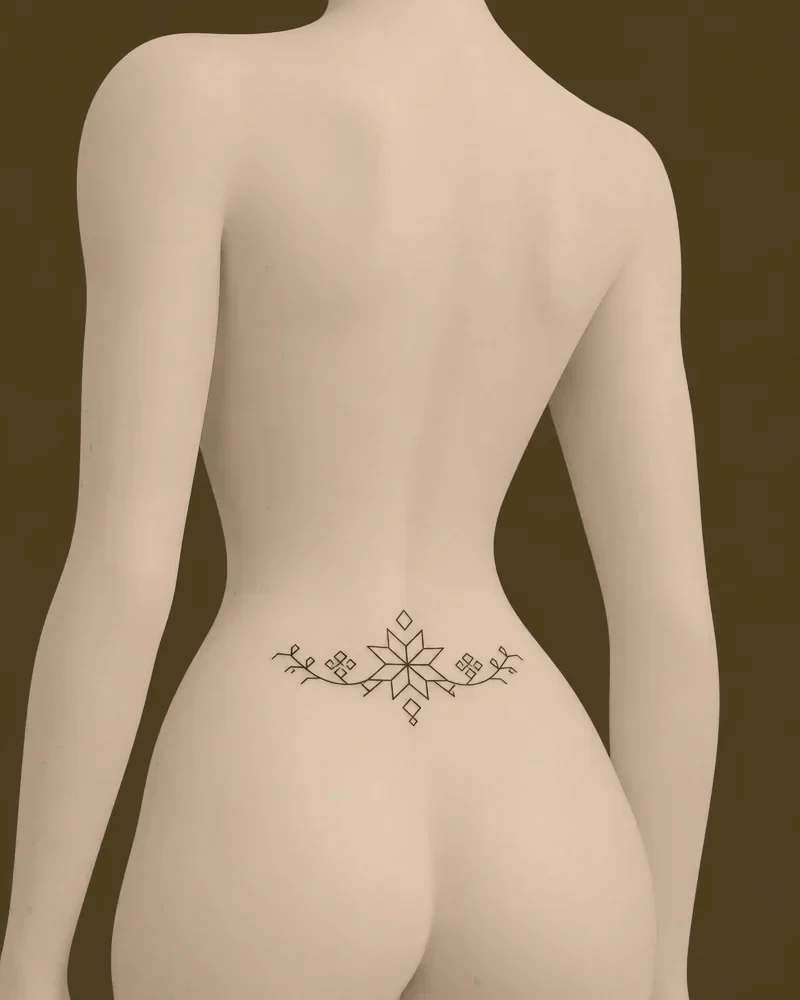
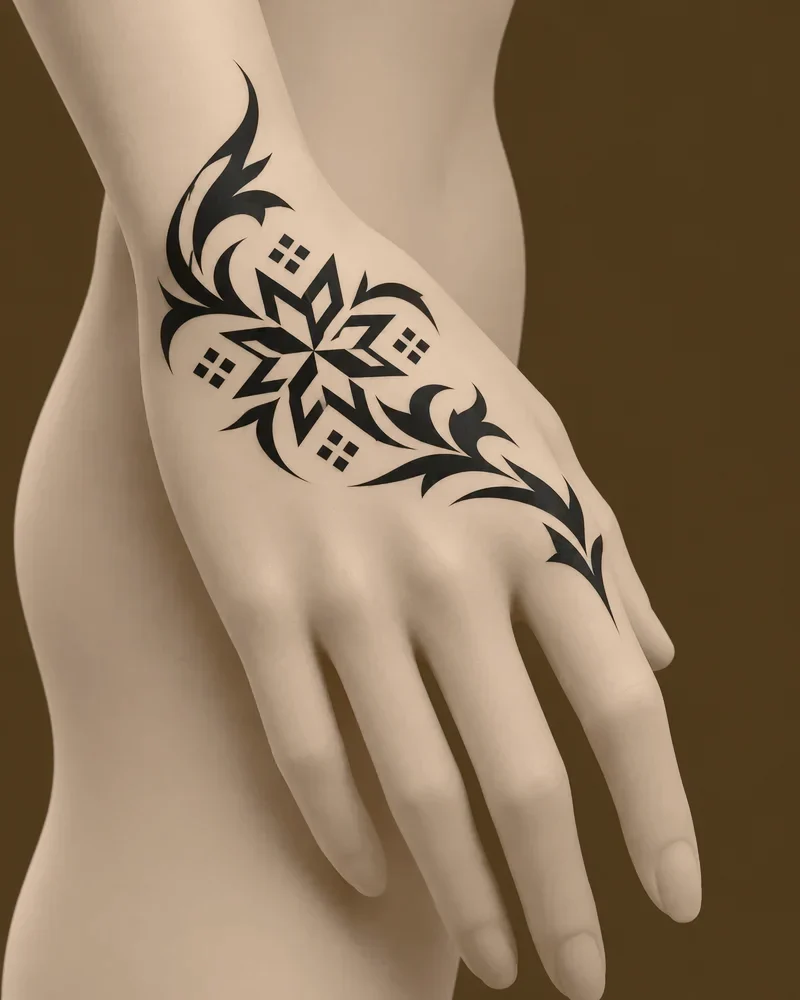
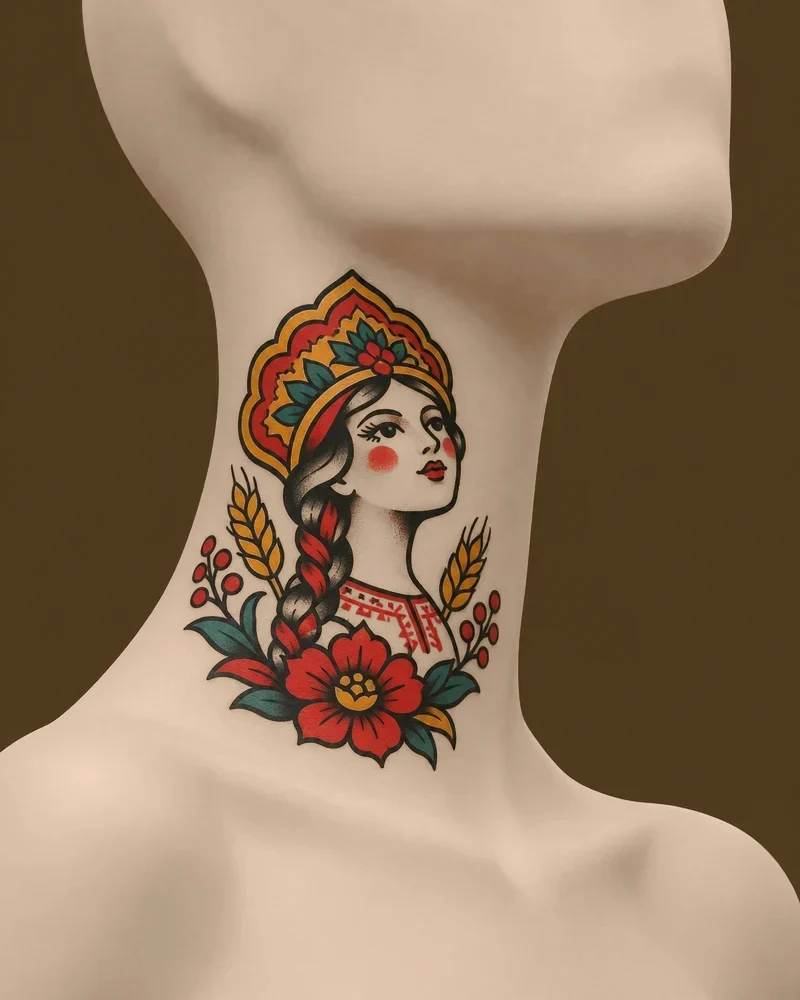
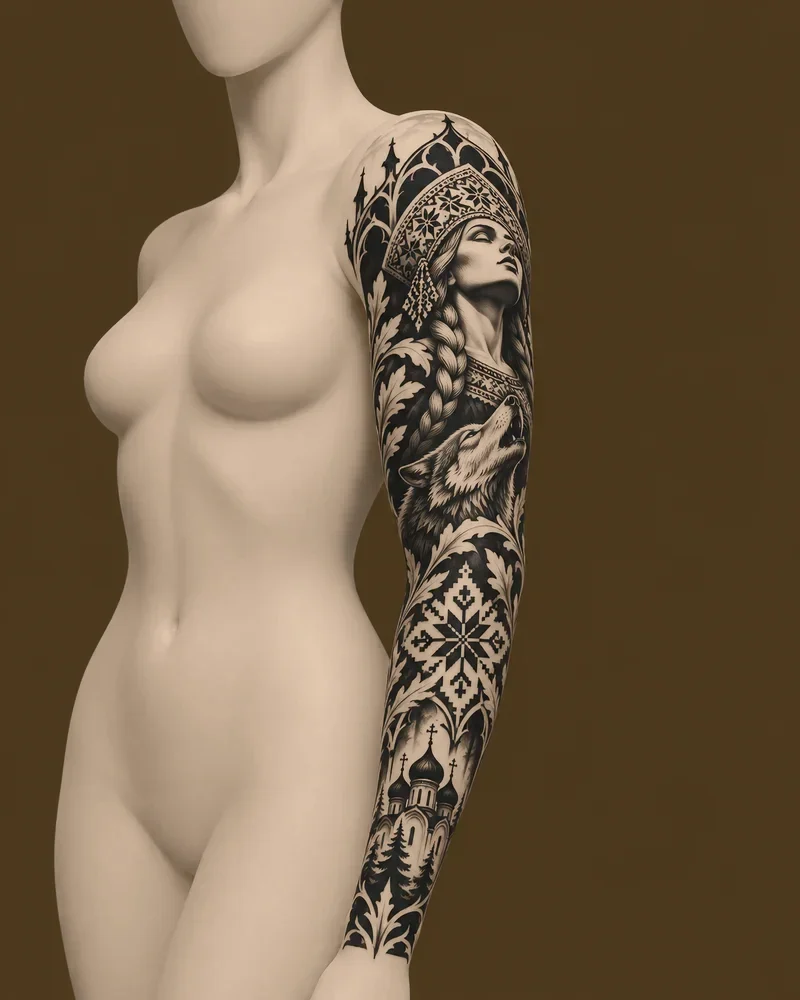
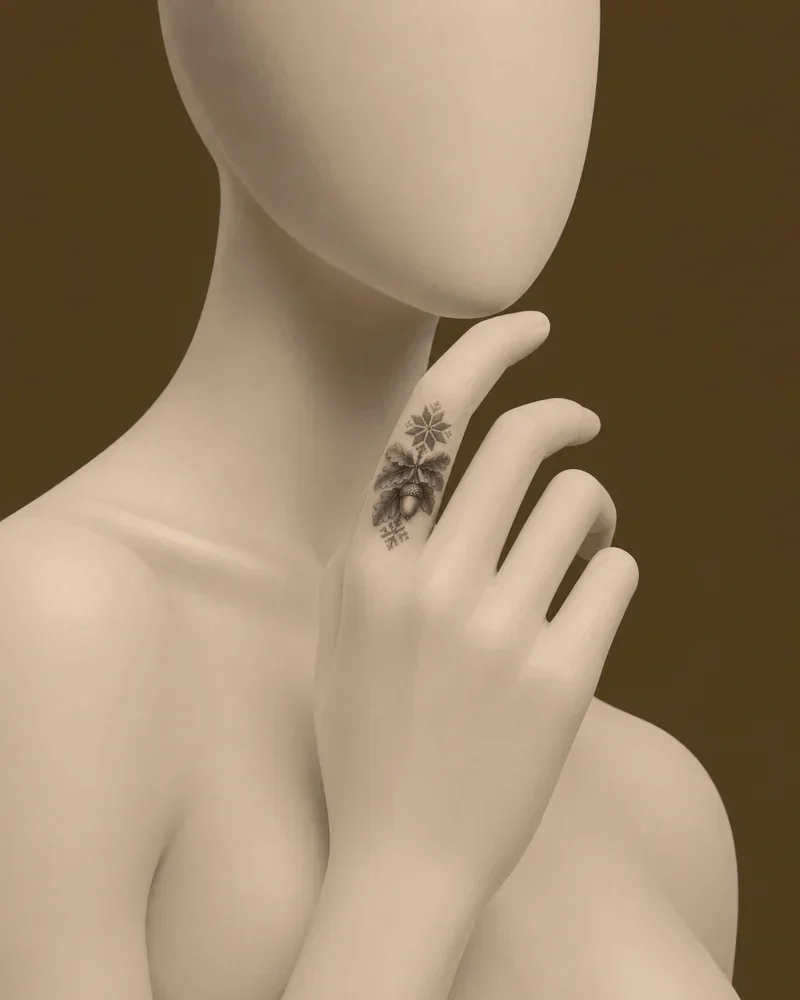
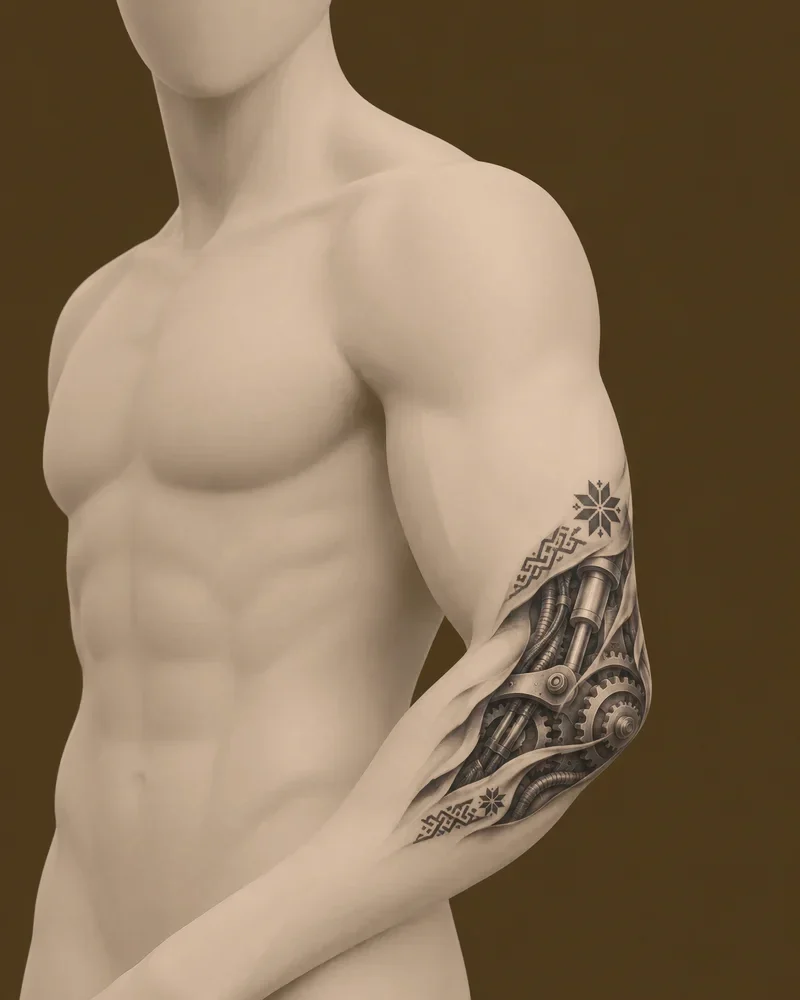
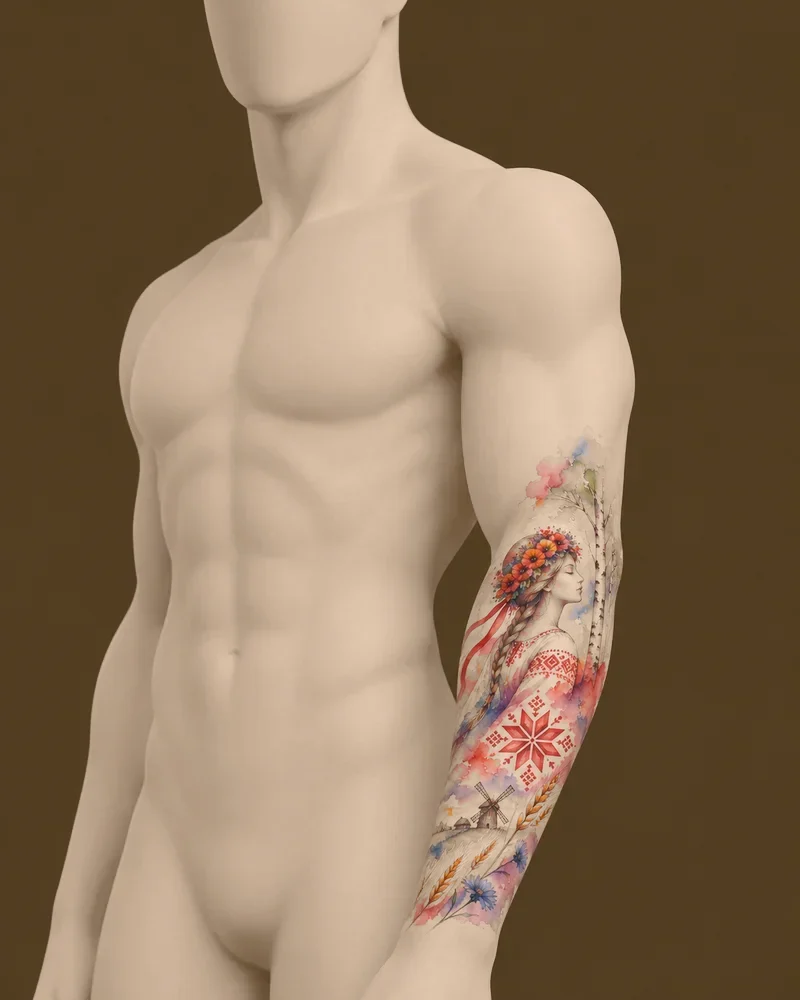
I've put together Slavic tattoo ideas: gods, warriors and charms. Below the gallery I explain what's genuinely ancient, what's more recent, and which style suits it.
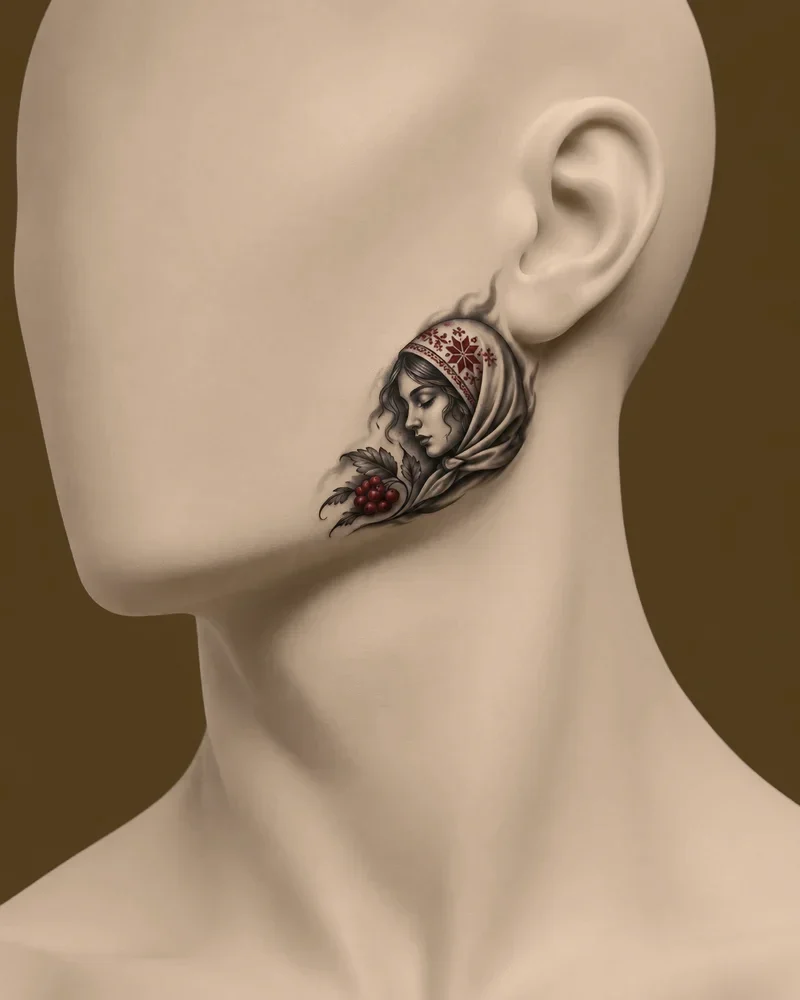
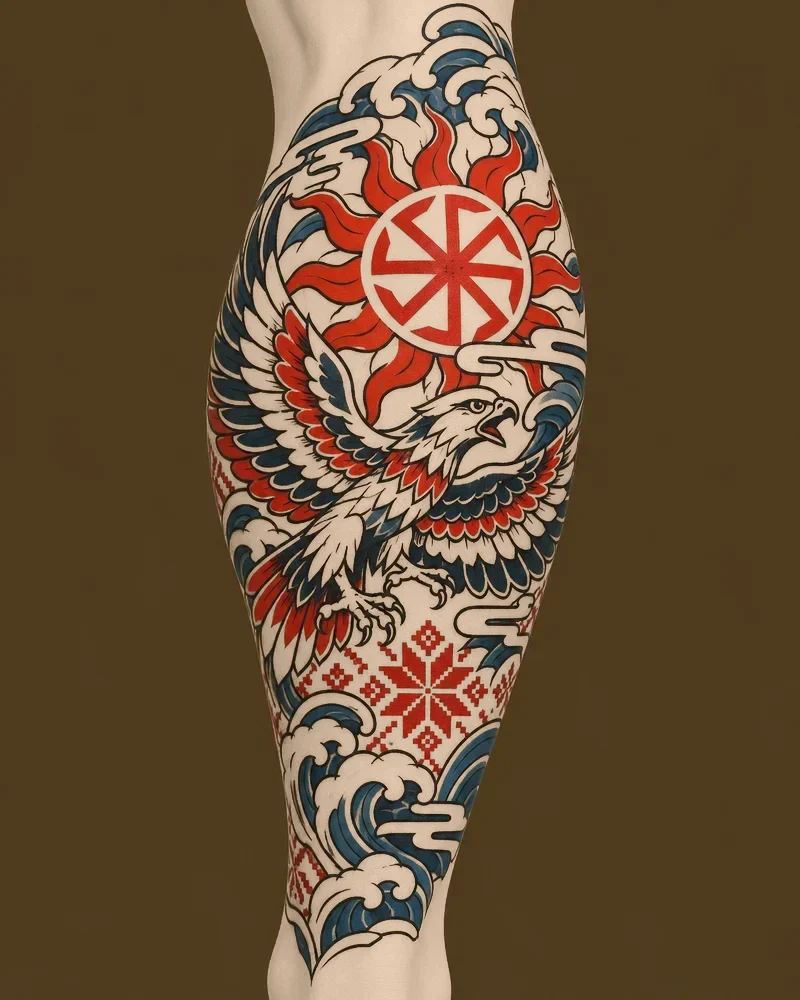
What Slavic tattoos actually mean: gods and warriors
Perun is the god of thunder and war, the patron of the prince's retinue: in 980, Prince Vladimir set up his idol first in the Kyiv pantheon. Veles (Volos) rules the underworld and guides souls there, and he's also the god of cattle and wealth, patron of poets and sorcerers.
Mokosh is a goddess usually linked to the earth, spinning and women's fate; she stood in that same 980 pantheon. A warrior with a sword or in armour stands for the prince's retinue that Perun watched over — it's an idea, not a portrait of one hero.
In East Slavic folklore, the bear is a totemic ancestor figure, tied to the idea of guardianship over the clan. Any of these subjects is worth turning into a brief for the design: what's in the picture, what mood, where on the body and what size — more on that in the guide to shaping your tattoo idea.
- PerunThunder, war, patron of the prince's retinue
- VelesCattle and wealth, the underworld, guide of souls
- MokoshEarth, spinning, women's fate
- BearTotemic clan ancestor, guardianship
Why not every “Slavic” symbol is actually ancient
Most signs sold as “Slavic” have no proven ancient history. Scholars have found no evidence of a Slavic runic script, and the well-known “Book of Veles” is a forgery first published in the 1950s.
The kolovrat in its current form traces back to 20th-century neopagan and neo-Nazi symbolism, not to antiquity. The design sold as a “Slavic compass” is actually the Icelandic vegvísir: it first appears in an 1860 manuscript and has nothing to do with the Slavs or the Viking age.
A valkyrie is a figure from Norse, not Slavic, mythology: a maiden serving Odin. If a symbol comes with no explanation, it's worth ten minutes of digging into where it actually comes from, rather than explaining later that you meant something else — the guide to symbols and cultural context goes through cases like this in detail.
The real old Slavic script is Cyrillic: it was created in the 9th–10th century by the disciples of Cyril and Methodius. Cyrillic lettering is an honest alternative to “runes” if you'd like text on your skin.
- “Slavic runes”No Slavic runic script in antiquity — a 20th-century forgery
- KolovratA 20th-century neopagan and neo-Nazi symbol
- “Slavic compass”19th-century Icelandic vegvísir, not Slavic or Viking-age
- ValkyrieNorse warrior maiden, not a Slavic figure
Where people get Slavic tattoos
A big composition with a warrior or a god usually runs as a sleeve, over the whole forearm and shoulder; for a full breakdown of placement and transitions for that sleeve, see Slavic sleeve tattoos.
Round, symmetrical compositions, such as a goddess or an ornament, sit well on the shoulder, back and chest. An elongated subject, such as a warrior or Cyrillic lettering, looks better along the forearm or on the calf — more on how the shape of a design points to the right spot in “Choosing your tattoo placement”.
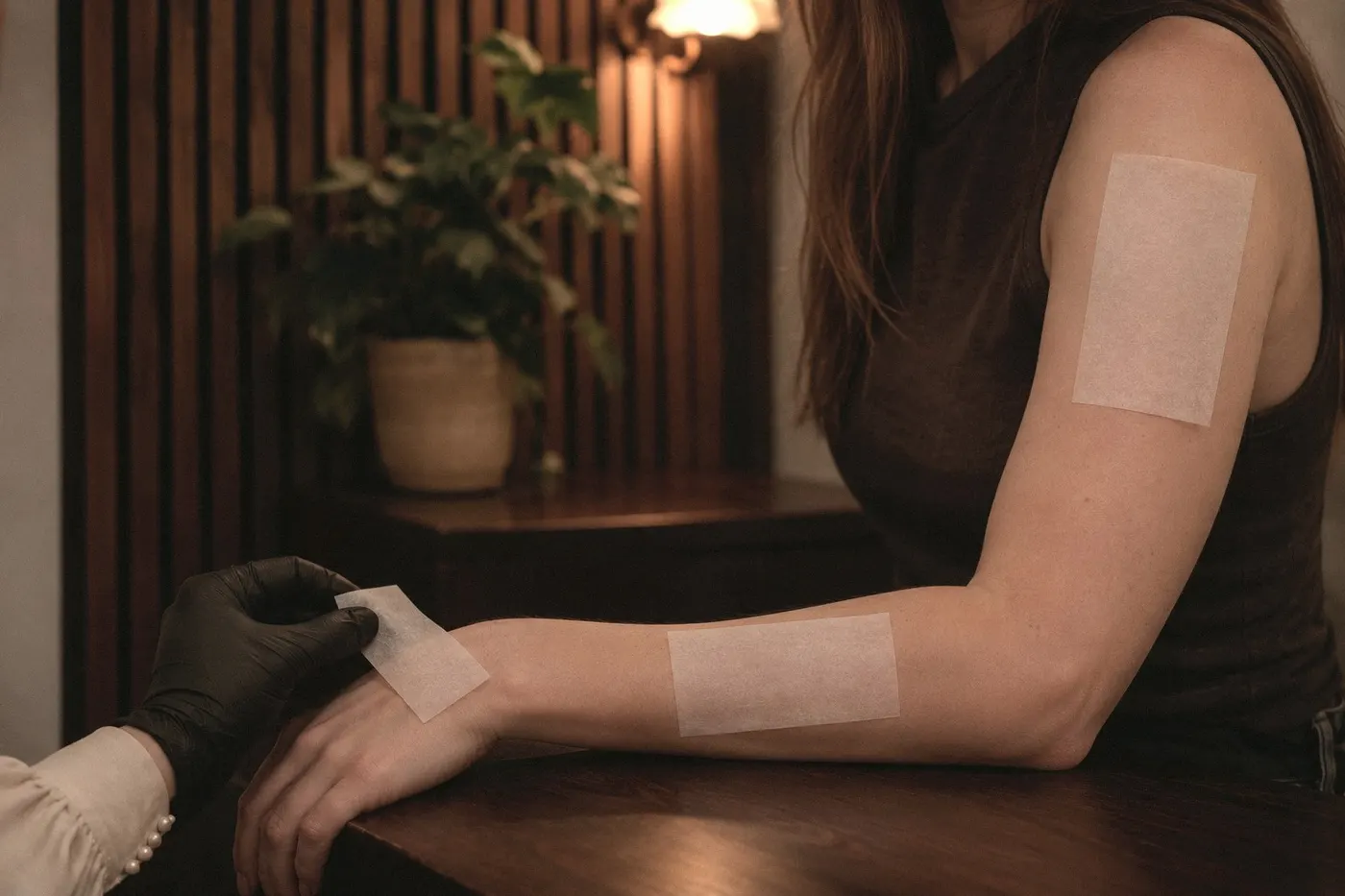
The elbow is among the more sensitive spots, and skin at the crook of the elbow stretches more (we can use numbing cream during the session if you'd like). The neck is always on display and gets more sun, so a design there fades faster. Worth discussing at the consultation beforehand.
Which styles work for Slavic tattoos
Most often I work in graphic, minimalism and blackwork. A warrior or god with hatching comes out well in graphic style, and a solid blackwork fill on an ornament lasts longer than a thin outline.
Cyrillic lettering looks better as a thin outline (fine line), and an ornament can be built from simple shapes in geometric style. If you'd like Japanese style, old school or chicano, I do those too. The only style I don't do is realism: I'll draw a warrior or god in graphic style instead, with character and clean linework that reads well from a distance and holds up longer on skin.
I can also draw a character inspired by Slavic mythology in an anime style. It will be my own take, not a copy of a frame.
- GraphicA warrior or god with hatching, like a book illustration
- BlackworkSolid ornament fill, lasts longer
- MinimalismA symbol with no extra lines
- Fine lineA thin outline for Cyrillic lettering
- GeometricAn ornament built from simple shapes
- AnimeA character inspired by the myth, not a copy of a frame
- RealismI don't do realism — I'll draw the warrior or god in graphic style, with clean linework and character
Slavic tattoos for men, for women, and for couples
Big subjects on the arm are noticeably more often requested by men, while a smaller symbol or ornament is more often chosen by women. That's a pattern in demand, not a strict rule: any subject works for anyone.
For a couple, two halves of one ornament or a shared symbol both work well. A god or warrior as a couple's tattoo is unusual: that kind of subject tends to read as its own image for one person, rather than a couple's story.
Where to find Slavic tattoo ideas besides Pinterest
Look for ideas in book illustrations and museum collections: you'll find gods, warriors and ornaments there without the distortions of modern jewellery shops.
I can take an ornament's rhythm and mood as inspiration and draw the design itself from scratch, to fit your idea.
AI is good at churning out options: in a couple of minutes you'll see different gods, warriors and ornaments and work out what feels right. ChatGPT, Gemini and Ideogram are free to try; Midjourney is paid. Send me the one you like and I'll draw the design myself.
Ready-to-use prompt
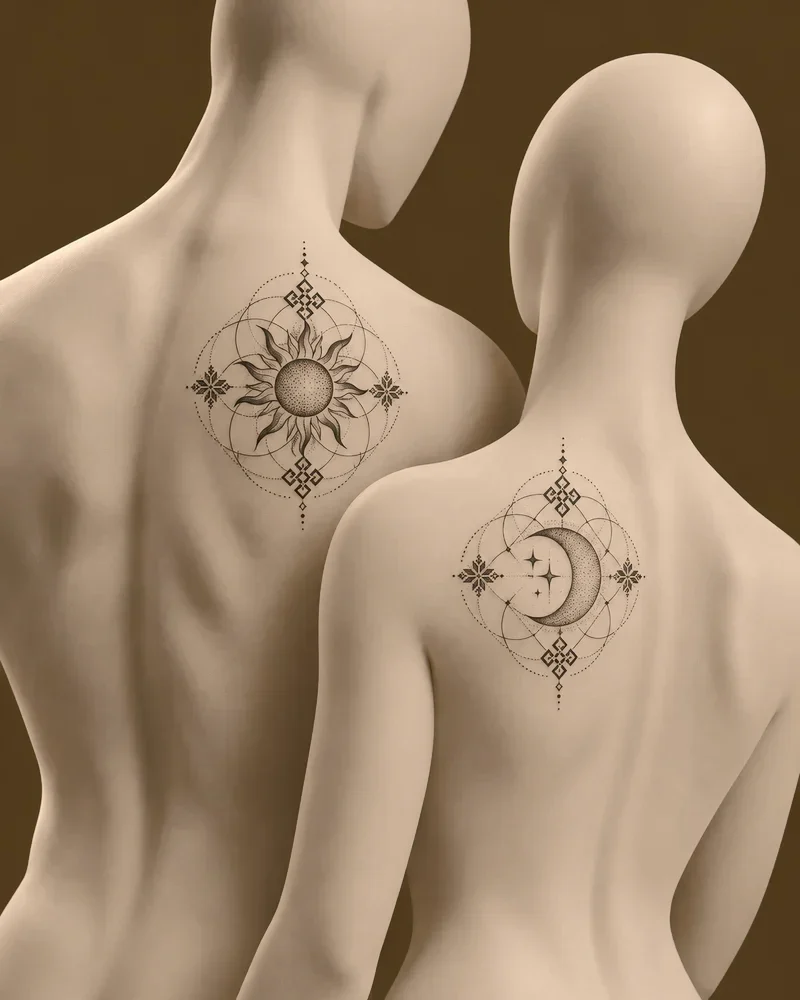
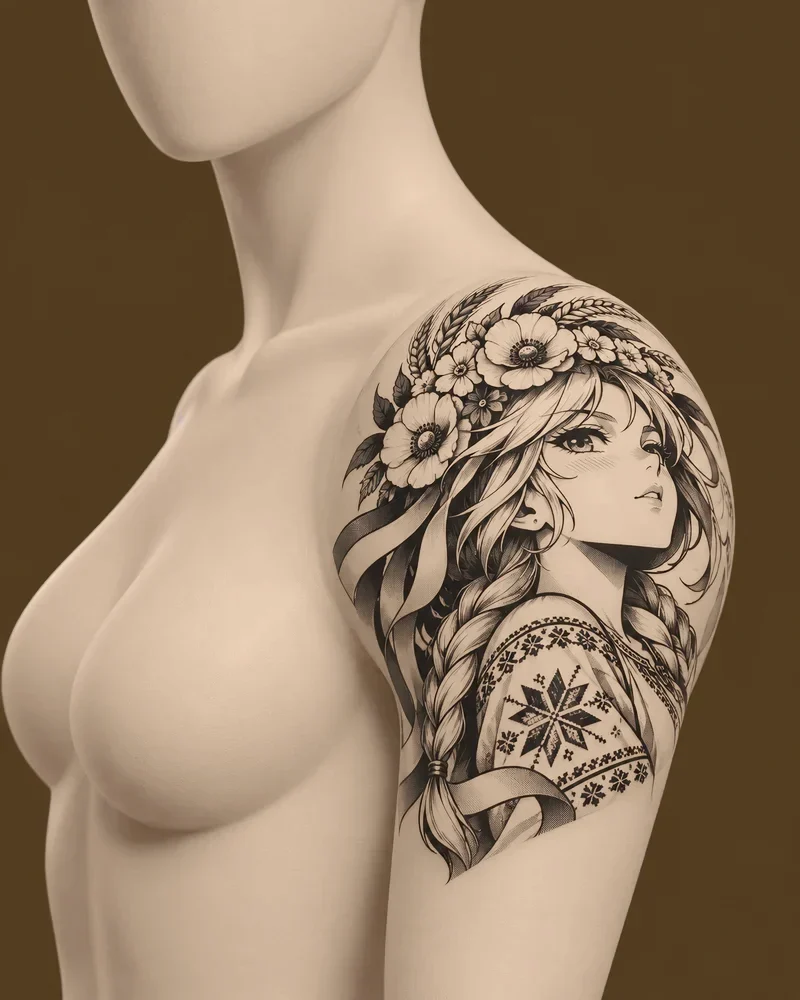
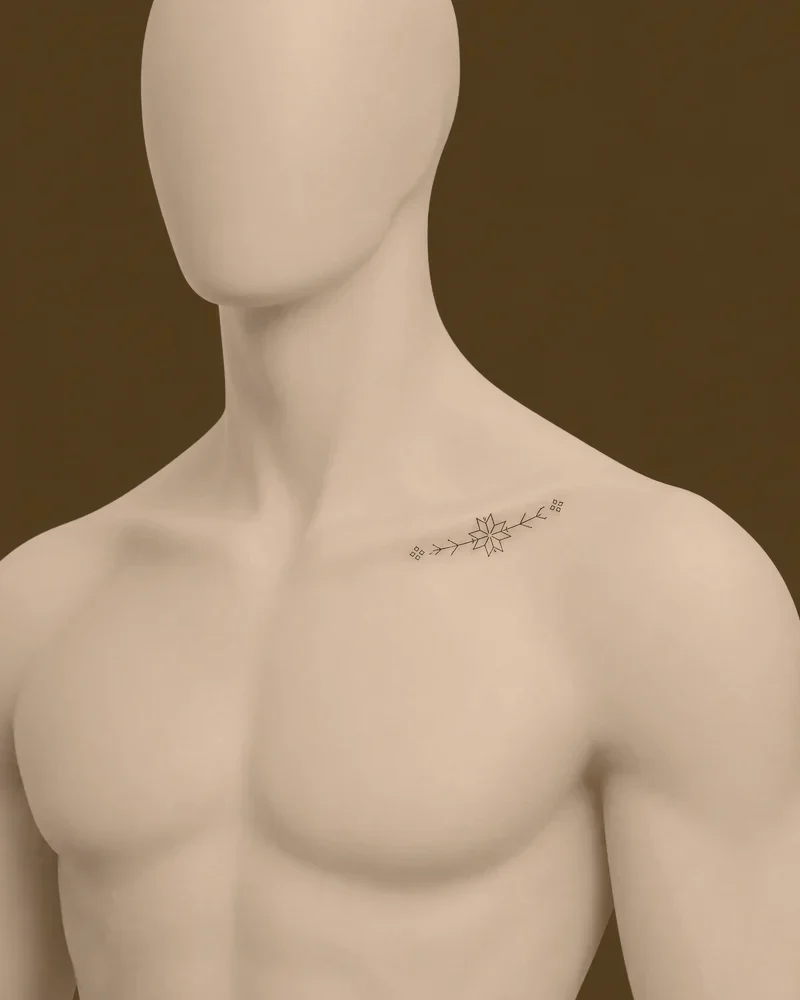
Books, museums, archives
- Ivan Bilibin's illustrations
The Ivan Bilibin category on Wikimedia Commons — illustrations for Russian fairy tales from 1899–1905: gods, warriors, animals and ornament, public domain.
- Viktor Vasnetsov's paintings
The Viktor Vasnetsov category on Wikimedia Commons — paintings of legendary warriors and Slavic mythology from the Tretyakov Gallery, public domain.
- General Slavic mythology category
A broader set of images on the subject on Wikimedia Commons: wider than any single artist's work, and free to use for non-commercial purposes.
Slavic tattoo FAQs
Can't find your question? Message me on Telegram or Instagram. I reply personally.
What do Slavic tattoos mean?
The genuinely Slavic figures are the gods and warriors from the chronicles: Perun, Veles, Mokosh. Most “runes”, “charms” and “Slavic compasses” are symbols invented in the 20th century, not ancient signs.
What do “Slavic rune” tattoos mean?
There's no proven ancient Slavic runic script: the “Book of Veles”, often cited as a source, is a 20th-century forgery. The real old Slavic script is Cyrillic.
What does a “Slavic sun” or kolovrat tattoo mean?
The most common “sun” sign, the kolovrat, isn't ancient: it traces back to 20th-century neopagan and neo-Nazi symbolism. I'd choose a different subject or a design with an honest history.
What does a “Slavic compass” tattoo mean?
What's sold under that name is the Icelandic vegvísir: it first appears in a 19th-century manuscript and has nothing to do with the Slavs or the Vikings.
Is a valkyrie a Slavic figure?
No, a valkyrie is a figure from Norse mythology: a maiden serving Odin who chooses which fallen warriors go to Valhalla. She has nothing to do with Slavic themes.
About
Hi, I'm Olya.
I've been tattooing for over 7 years and work in almost every style: graphic, minimalist, anime and more. I also do gold tattoos, which are my signature style. You can see examples in the portfolio.
I want your tattoo to make you happy for years to come. That's why we talk through the idea, placement and size in detail — and then I draw a design just for you, rather than simply copying a reference.
I work in a lovely studio in Belgrade. During the session there's always tea or coffee and something sweet, and you can put on your favourite music or a film. We can chat or just sit quietly, whatever you prefer.
After the session you'll get aftercare instructions, and I'll stay in touch until your tattoo is fully healed. Feel free to ask me anything, any time
My socials
No pieces in this category yet.