
Many old tattoos can be covered, but you can't cover any tattoo with any design you like. The new tattoo is almost always bigger and more densely inked, with dark areas covering the old lines. Light, fine-line tattoos are easier to cover. Dense, dark work sometimes needs laser lightening first. Start with a clear photo of the old tattoo and an honest consultation.
What a cover-up is
A cover-up is a new tattoo over an old one. The ink in the skin doesn't go anywhere, so the old design isn't erased; it's hidden inside the new one. Hiding it without a trace isn't always possible, but making it almost invisible often is.
The tattoos people most often cover up are names, rushed designs from their younger days, blurred or faded work, and tattoos they've simply fallen out of love with.
What's easier to cover and what's harder
A lot depends on how much ink is in the old tattoo and how dark it is:
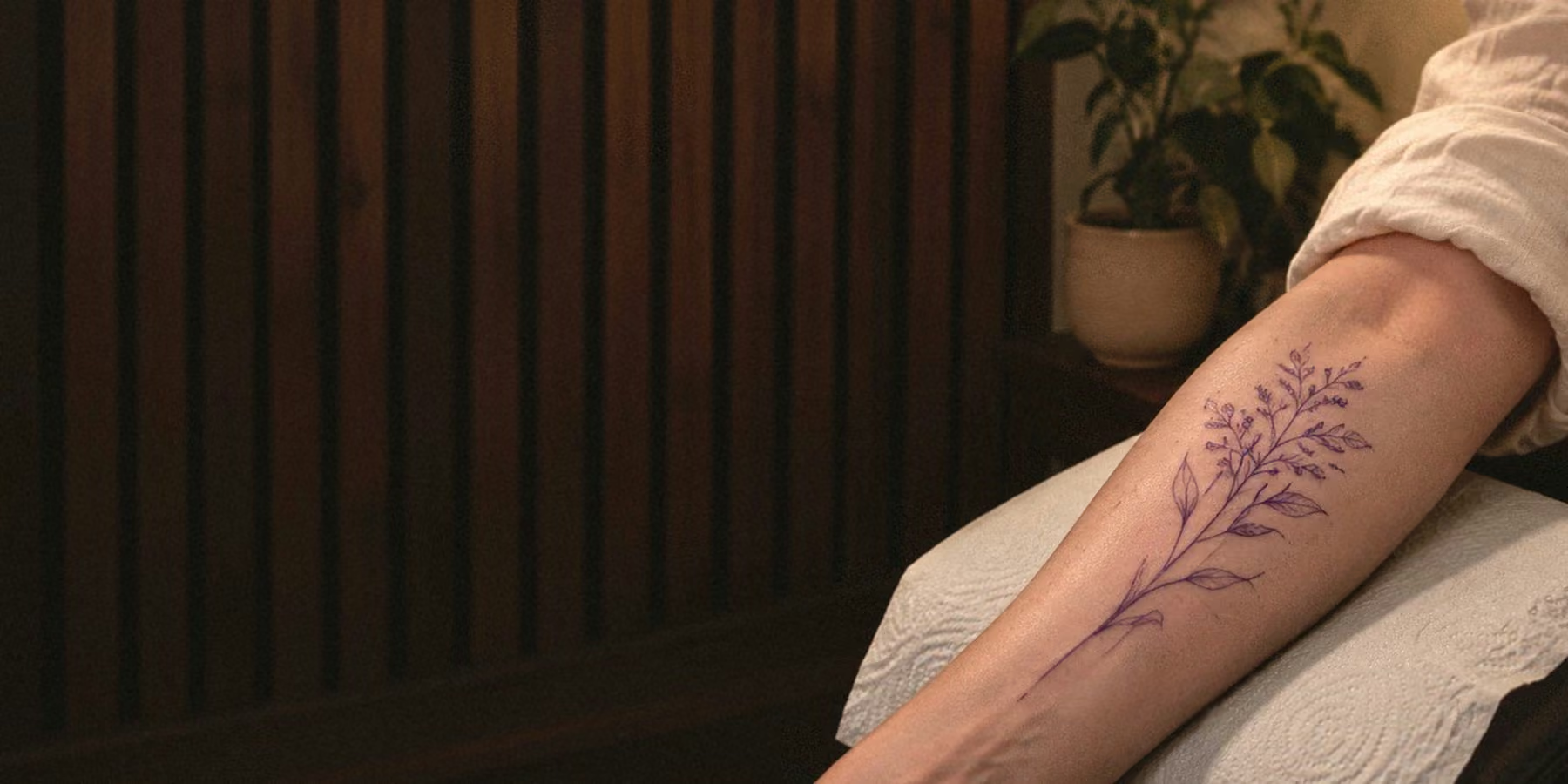
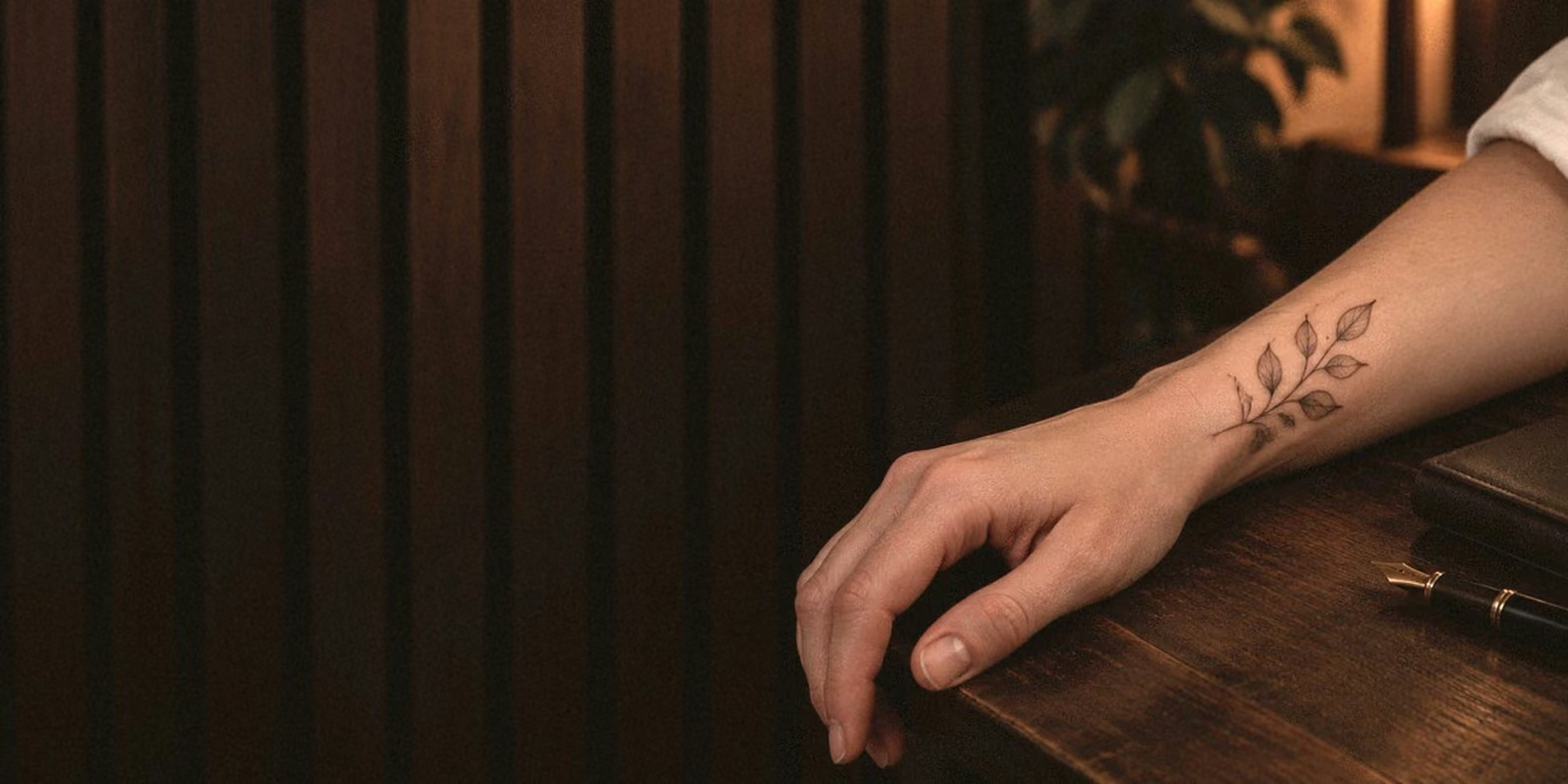
- Easier: fine lines, faded and light work, small lettering.
- Harder: dense black fill, thick outlines, rich dark colours.
- Almost impossible without lightening: large solid black areas, heavily packed ink.
I rarely take on reworks or cover-ups. I can only tell you whether I’ll take yours on and what it will cost from a photo and a detailed description of what you’d like. Take the photo in daylight.
How a cover-up works
A good cover-up starts not with an idea but with the old tattoo. The artist looks at where its dark areas are and builds the new design around them.
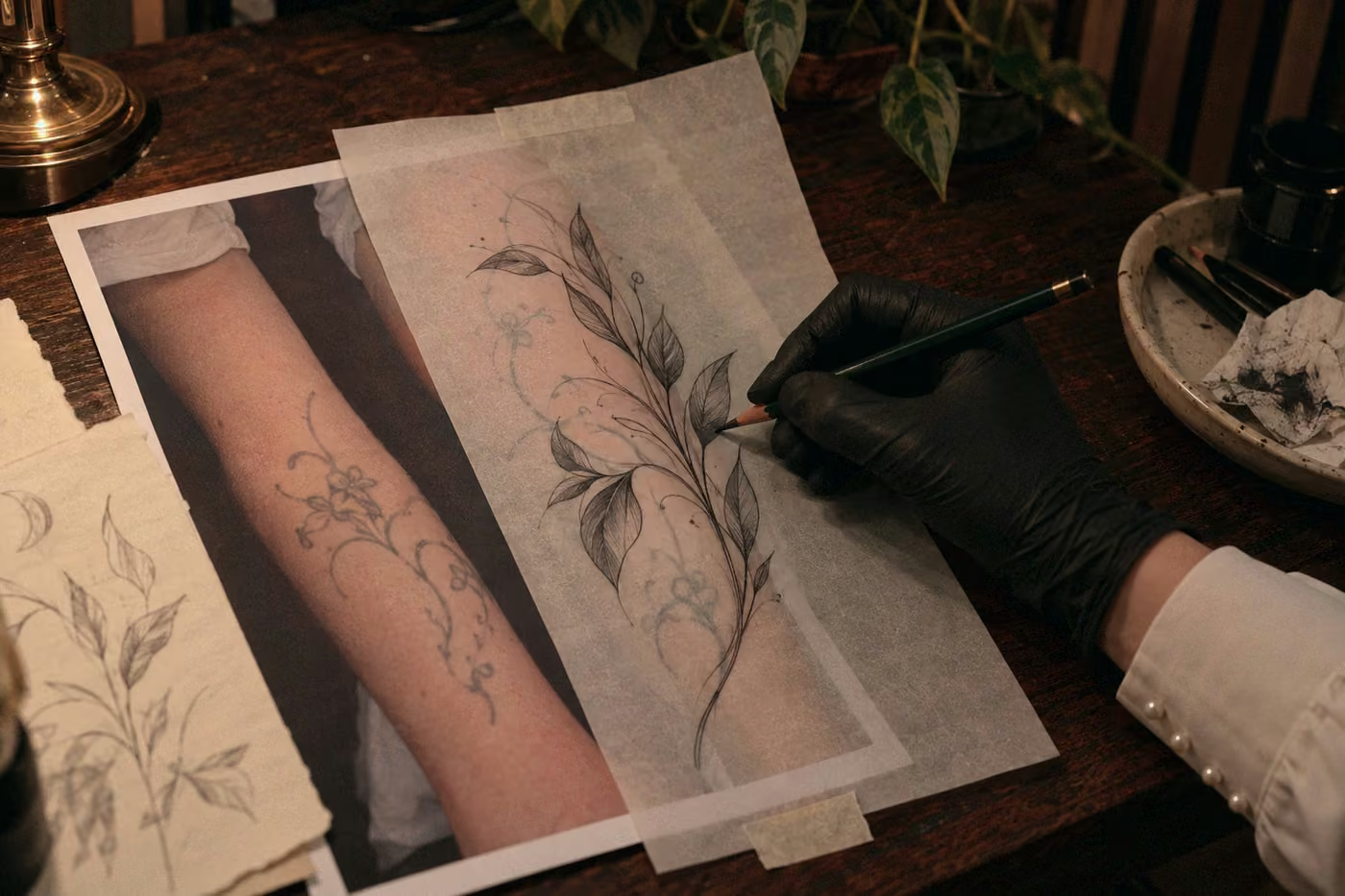
- the new design is usually noticeably bigger than the old one;
- the old lines are hidden in dark areas: foliage, shadows and closely packed details;
- the light and empty parts of the new design need to fall on clear skin;
- sometimes the composition is shifted slightly so the old tattoo ends up inside it.
Laser lightening before a cover-up
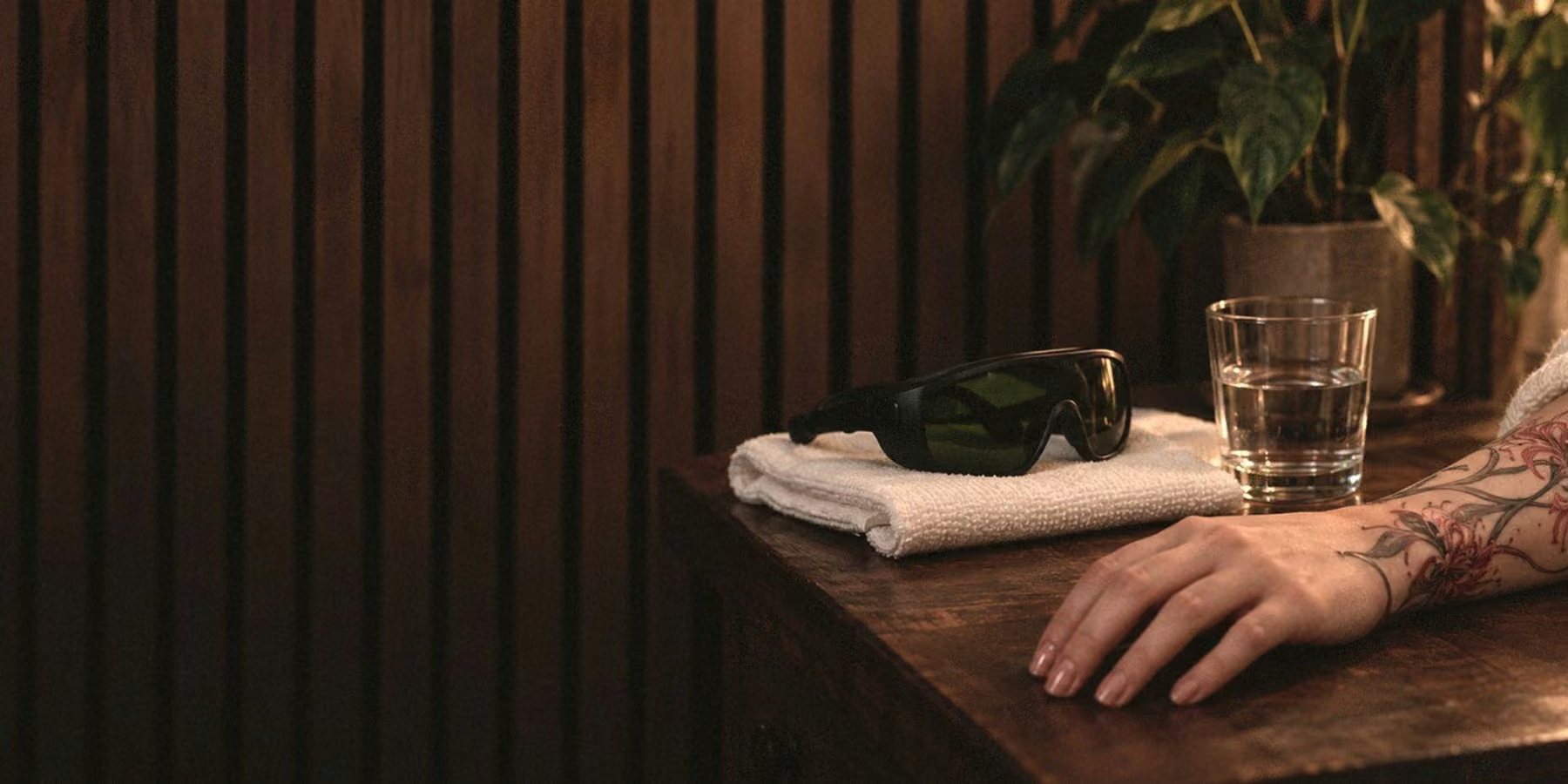
If the old tattoo is too dark, it can be lightened with laser treatment first. For a cover-up, you usually don't need to remove the design completely: a few sessions are enough to make it paler and give you more choice for the new design.
Laser treatment is done by a doctor or at a specialist clinic, and the skin needs time to recover between sessions. After lightening, wait until the skin has fully healed before booking the cover-up. How removal works is explained in “Tattoo removal”.
What the process involves
A cover-up takes more preparation than an ordinary tattoo. The process usually goes like this:
- Photo of the old tattooIn daylight, straight on and from a little distance, with no filters.
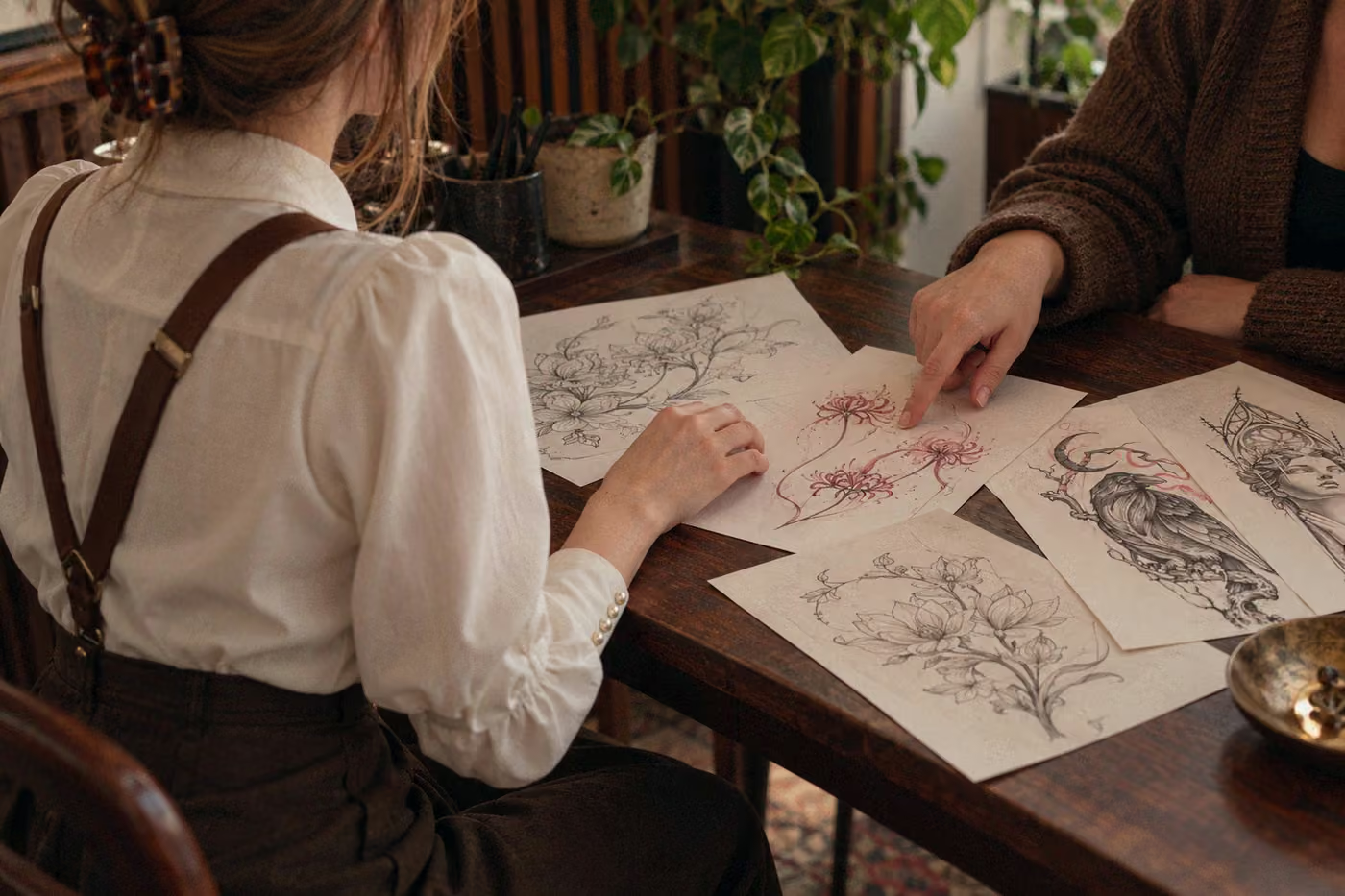
- ConsultationThe artist looks at what can realistically be covered and discusses size and style with you.
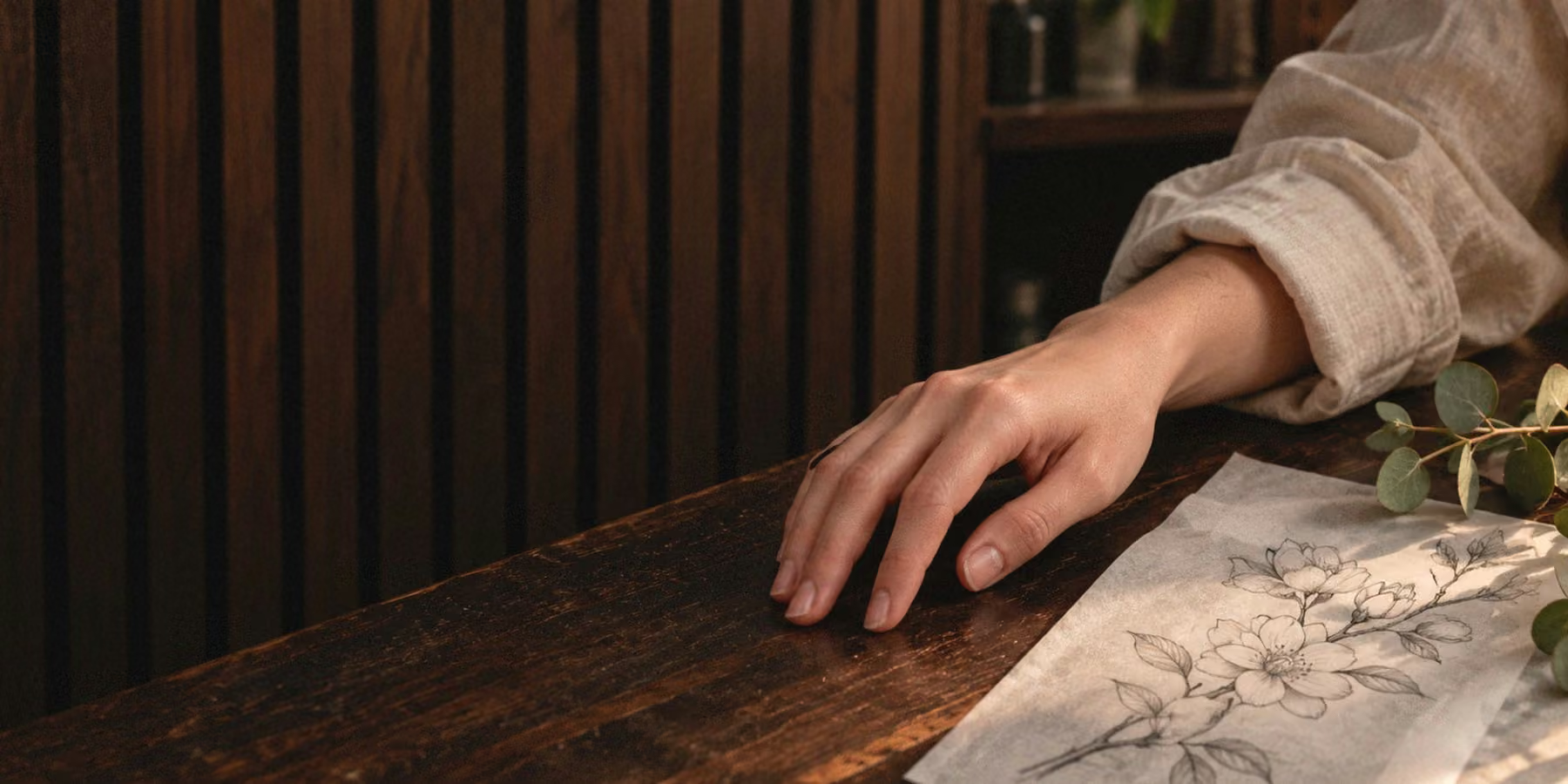
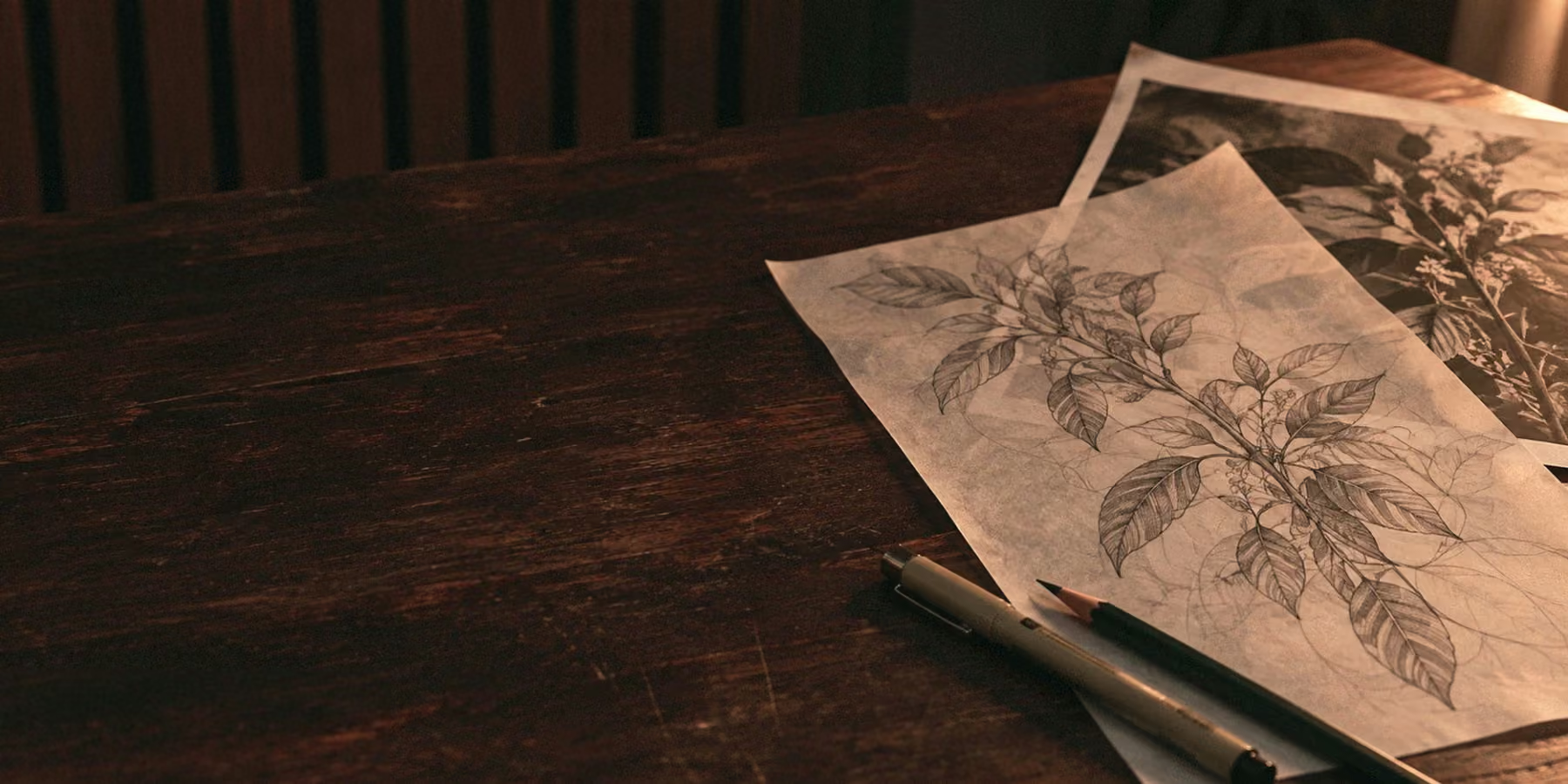
- Design over the photoThe design is built on tracing paper so the old lines disappear into the dark areas.
- One session or severalA large cover-up is sometimes done in two sittings.
- Healing and touch-upAfter four to six weeks you can see whether everything is covered, and the artist will go over it again if needed.
What to expect from the result
A good cover-up looks like a tattoo in its own right, not a patch. But it's worth knowing the limits in advance: you have fewer design options than on untattooed skin, and the result is almost always bigger and darker than you first imagined.
If an old line shows faintly through the new design from certain angles, that isn't necessarily a flaw. Your artist will tell you whether it can be hidden during a touch-up.
If a cover-up isn't right for you
Sometimes you don't want a big, dark tattoo, but you still want the old one gone. There are other options: rework the old tattoo to bring the design together and improve how it looks, lighten it with laser treatment, or remove it completely. If you're unsure, have a look at “What to do if you don't like your tattoo”.
Frequently asked questions
Can't find your question? Message me on Telegram or Instagram. I reply personally.
Can a tattoo be covered with a design of the same size?
Rarely, and only if the old piece is very light and fine. More often the new design is noticeably bigger.
Can a black tattoo be covered with a colour one?
Light colours won't cover black. Cover-ups are usually done in dark tones, and colour is used on the clear skin around them.
Can lettering be covered?
Lettering gets covered all the time: letters hide easily in foliage, flowers or shadows. It all depends on how thick and dense the letters are.
How long do I wait for a cover-up after laser?
Until the skin has fully healed after the last session. The doctor who did the lightening will tell you exactly how long.