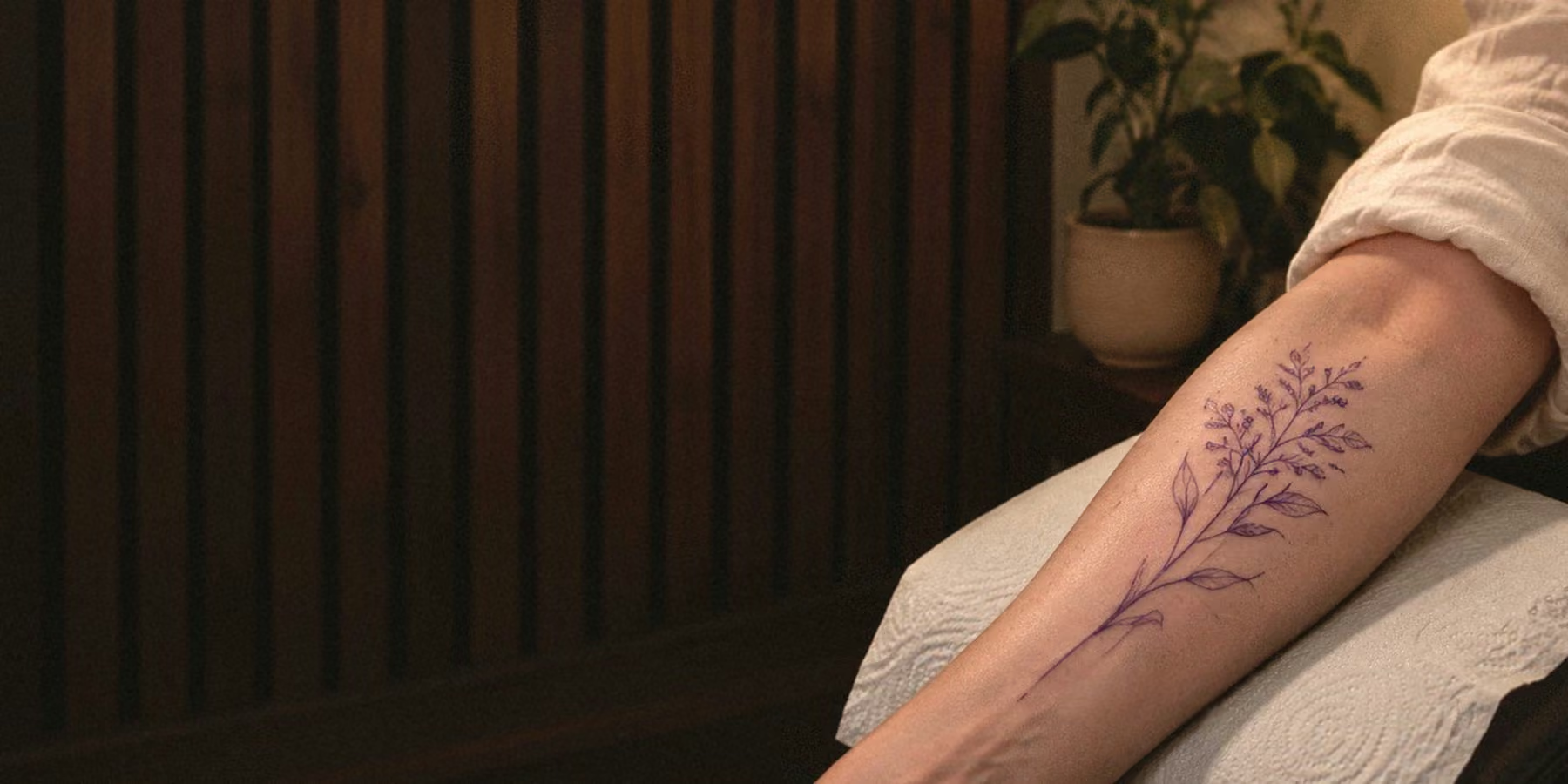

Tattoo artists usually only work with adults. Laws vary from country to country, so check the rules in Serbia or wherever you plan to get tattooed. Even where tattoos are allowed with parental consent, many artists say no. The time before you turn eighteen can be put to good use: think the idea through, collect pictures and see whether you still like it a year later.
Why artists wait until you’re an adult
It isn’t a question of trusting teenagers. A tattoo stays with you for life, and it’s best to make the decision when you can take responsibility for it yourself. There are practical reasons to wait, too.
- Your body is still growing. Skin stretches, proportions change, and the design can change shape too.
- Tastes change fast. What you love at fifteen often looks very different at twenty.
- The law and responsibility. The artist is responsible for the work, and with an underage client that responsibility falls on the parents as well.
I tattoo people aged 16 and over, but if you’re under 18, a parent needs to come with you. A tattoo lasts a lifetime, so a teenager shouldn’t have to make that decision alone.
What the law says
There’s no single rule. In some countries you can’t get a tattoo before eighteen at all, in others you can with written parental consent, and in some places the rules even vary from region to region. Check the laws of the country where you’re planning to get tattooed.
Even when the law allows it, an artist has the right to say no. Many do, and that’s perfectly normal.
If an artist is happy to tattoo a teenager and doesn’t ask how old they are, be wary. They may be just as careless about keeping their equipment sterile. You’ll find the warning signs in “Red flags when choosing an artist”.
Why you shouldn’t get tattooed at home or at a friend’s
When a studio turns you down, it’s tempting to try tattooing yourself with a needle and thread or a machine ordered online, or to ask a friend who “knows how”. That’s exactly how most complications happen.
- Infections. A non-sterile needle and ink of unknown origin lead straight to inflammation.
- Wobbly lines. Without experience, the pigment goes in unevenly and spreads under the skin.
- Costly fixes. Covering up or removing work like this later is harder and more expensive than getting a new tattoo.
The difference between a hand-poked tattoo done by a professional and one done at the kitchen table is explained in “Hand poke and DIY tattoos”.
For teenagers: what to do while you wait
Waiting isn’t wasted time. A year gives you time to improve a good idea, and to lose interest in one that isn’t right for you.

- Save the ideaStart a folder of pictures or a sketchbook and put everything you like in it.
- Come back to it in six monthsIf the design still grabs you, that’s a good sign. If you’ve gone off it, you’ve lost nothing.
- Get to know some artistsFind the ones whose style speaks to you and follow their work.
- Put money asideA good tattoo costs more than you’d think, so it’s best to start saving early.
What to try in the meantime
If you want a design on your skin right now, there are temporary options. They’re also a good way to test the size and placement.
- Transfer tattoos. They last a few days and wash off easily.
- A drawing made with a skin marker. A good way to try out an idea for a few hours.
- Natural henna. It gives a reddish-brown colour and fades within a couple of weeks.
- Be careful with “black henna”. It often contains a dye that causes severe allergic reactions and can leave a mark on the skin.
For parents: how to talk about tattoos
A flat ban rarely works: your teenager simply stops telling you about their plans. Talking helps more than just saying “no”. You’ll learn why they want a tattoo and can help them wait.
If they still want a tattoo after they turn eighteen, you could read “Should I get a tattoo?” together. It helps them work out whether they really want it or are acting on a passing impulse.
Once you’ve turned eighteen
Start with a consultation: that’s where you discuss the idea, placement and size, and you don’t have to book straight away. Bring ID with you — the artist may ask you to confirm your age, which is standard practice.
Where to start and what to choose the first time round is covered in “Your first tattoo”.
Frequently asked questions
Teenagers and parents both ask these. Can't find your question? Message me on Telegram or Instagram. I reply personally.
Can I get a tattoo with my parents’ permission?
It depends on the law in your country and on the artist. Many artists won’t work with minors even with written parental consent. I tattoo from 16 if a parent is with you at the session.
Do artists check ID?
Often, yes. If you look young, the artist will almost certainly ask for a passport or other ID.
What if the tattoo has already been done at home?
If the skin is red, hot or gets more painful each day, see a doctor straight away. Once everything has healed, you can talk to an artist about a cover-up or removal.
Can I talk my idea through with an artist in advance?
Ask the artist: many are happy to answer questions before you’re old enough to book a session. Some only tattoo adults; I tattoo people aged 16 and over if a parent comes with them.