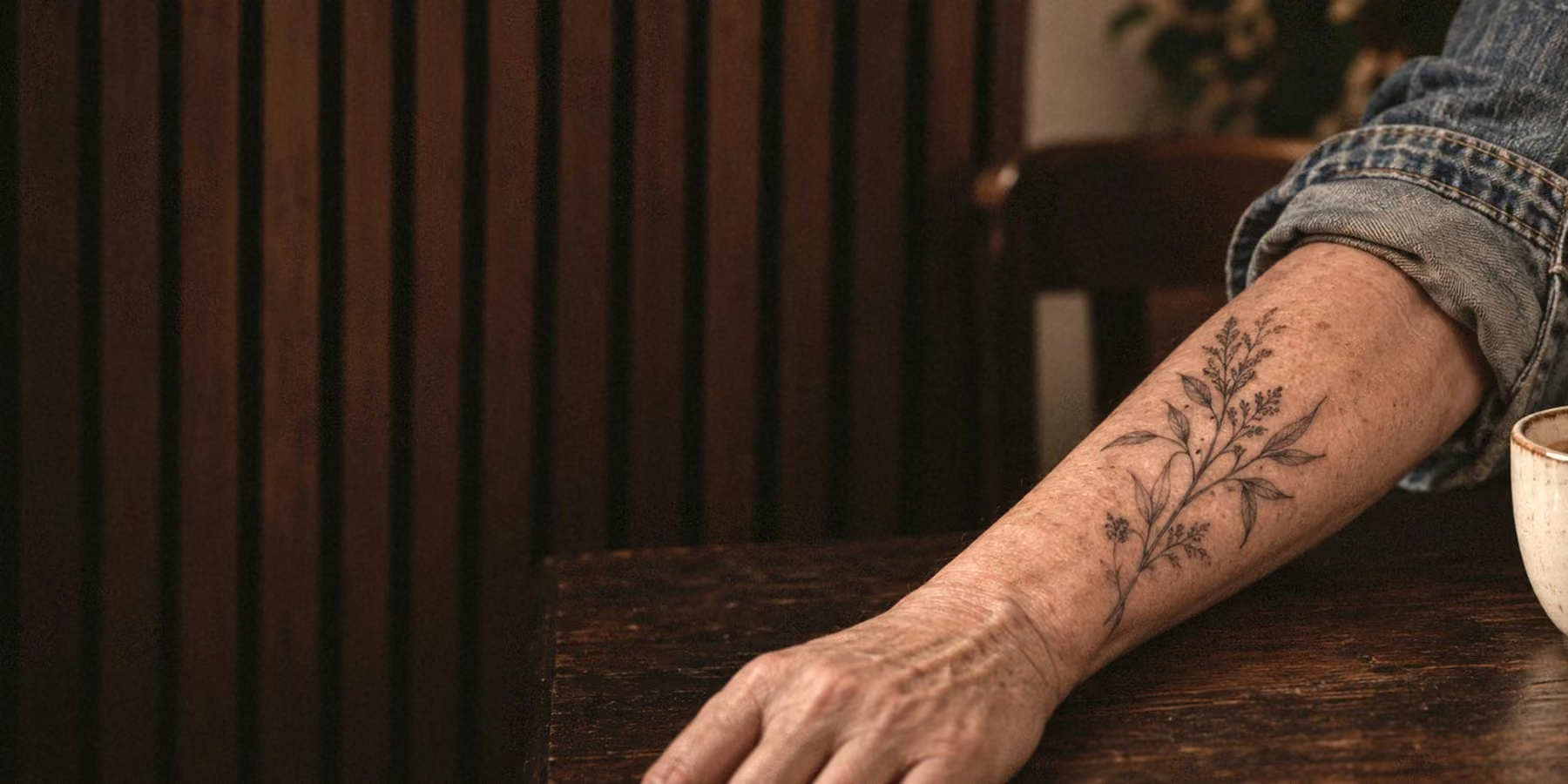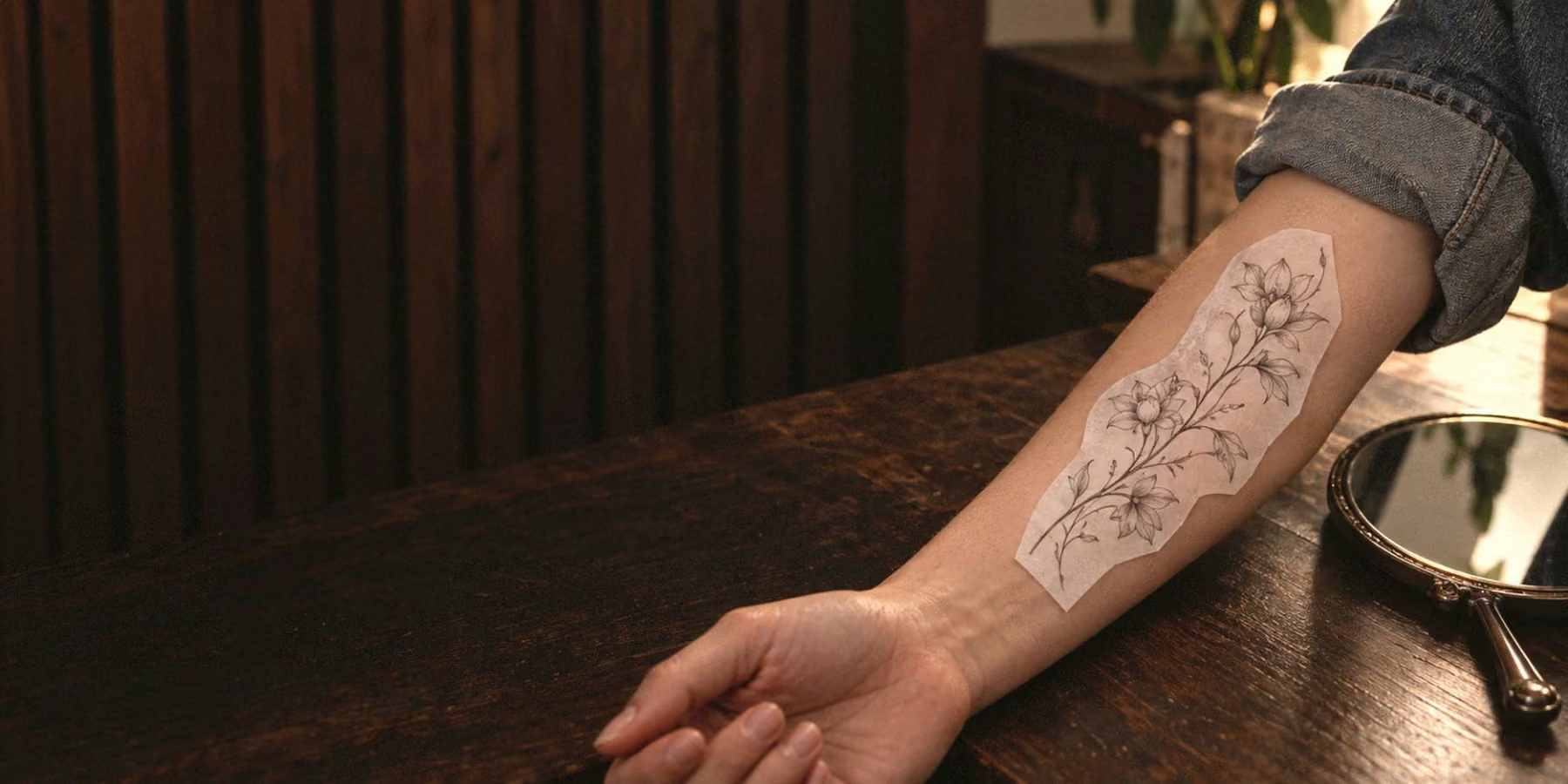

Most healthy adults can get a tattoo. Postpone your session if you have a cold or a temperature, have been drinking alcohol, or have inflamed skin where you want the tattoo. You should also wait during pregnancy and breastfeeding. If you take medication that affects your blood or have a chronic illness, talk to a doctor first and be sure to tell your artist.
Temporary and permanent restrictions
Almost all restrictions are temporary: not today, but fine in a week. A cold passes, a tan fades, a course of medication ends. There are few permanent reasons to avoid a tattoo. Even then, you can usually discuss your options with a doctor rather than give up on the idea for good.
- Temporary — illness, a fresh tan, alcohol, a course of medication, pregnancy. The session is simply rescheduled.
- Discuss with a doctor — diabetes, clotting problems, heart conditions, epilepsy, autoimmune diseases.
- Specific to the placement — moles, fresh scars, psoriasis or eczema on the skin where the design will go. Sometimes it’s enough to move the tattoo a couple of centimetres.
I don’t ask about your health out of curiosity. It affects how the session goes and how your skin heals. An honest answer at the consultation saves you time and money.
When it’s better to postpone a session
These are reasons to postpone a particular session rather than avoid tattoos altogether. It’s perfectly normal to reschedule, and a good artist will understand.

- a temperature, a cold, a cold sore or any infection;
- alcohol the night before — it thins the blood, and the skin doesn’t retain the pigment as well;
- a fresh tan or sunburn where the tattoo will go;
- scratches, irritation, spots or a rash in the area of the design;
- you’ve had very little sleep or haven’t eaten since the morning.
Pregnancy and breastfeeding
Wait until after pregnancy and breastfeeding to get a tattoo. This isn’t because it’s known to be dangerous, but because the risk of infection or a reaction to the pigment can’t be ruled out, and any treatment you might need is more complicated during that time.
Your skin is another reason to wait. Your belly, breasts and thighs change noticeably, and a tattoo done now may look different a year later. You can still discuss your idea at a consultation and leave the session itself until later.
If you’re planning a pregnancy, tell your artist: sometimes it makes more sense to choose a different placement or a different date.
Medication you should mention
Some medicines change how your skin reacts to the needle and how it heals afterwards. Don’t stop taking them for the sake of a session — ask your doctor first.
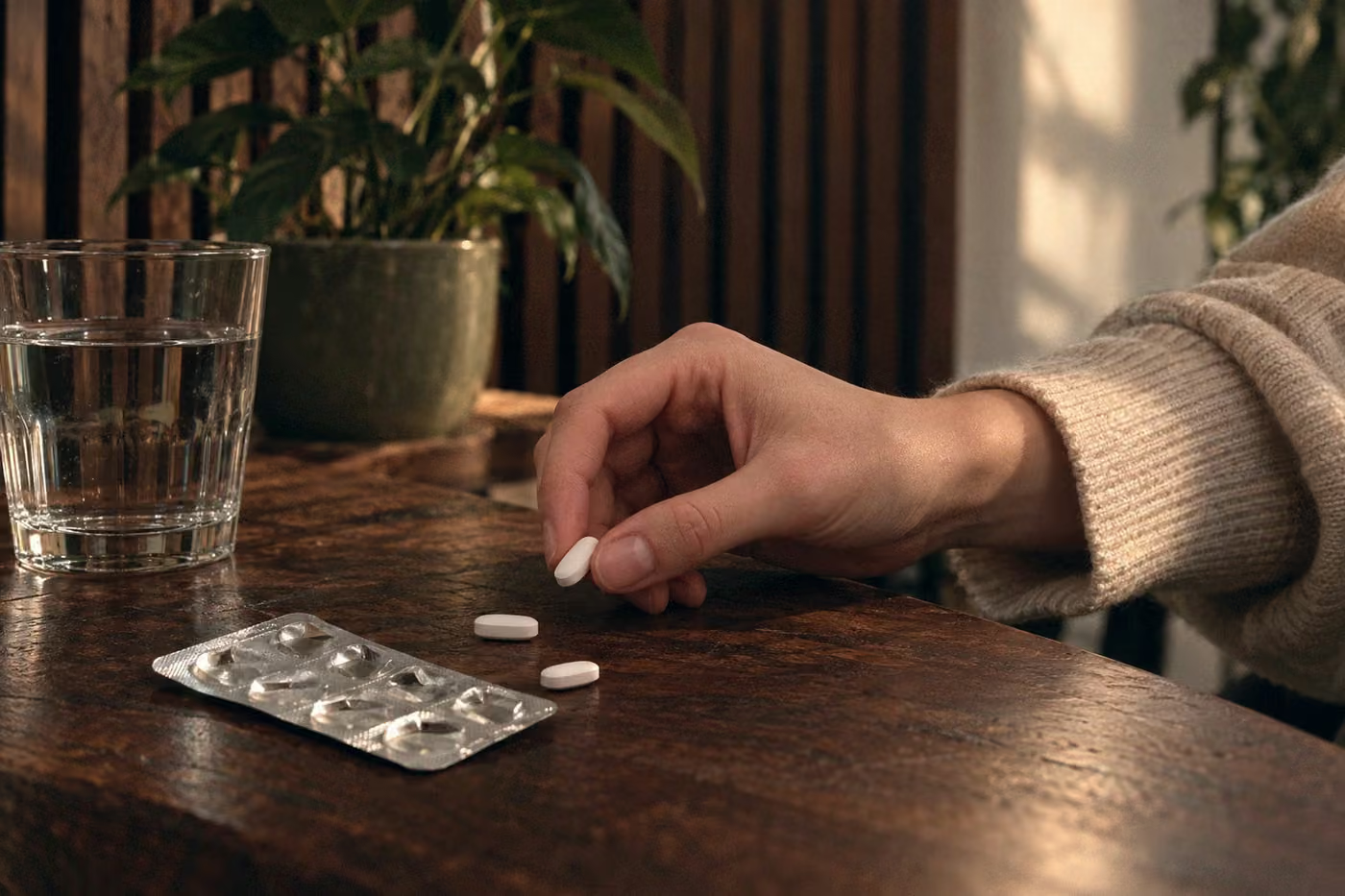 Blood thinnersAspirin, anticoagulants and similar drugs increase bleeding: the pigment gets washed out and the lines come out paler.
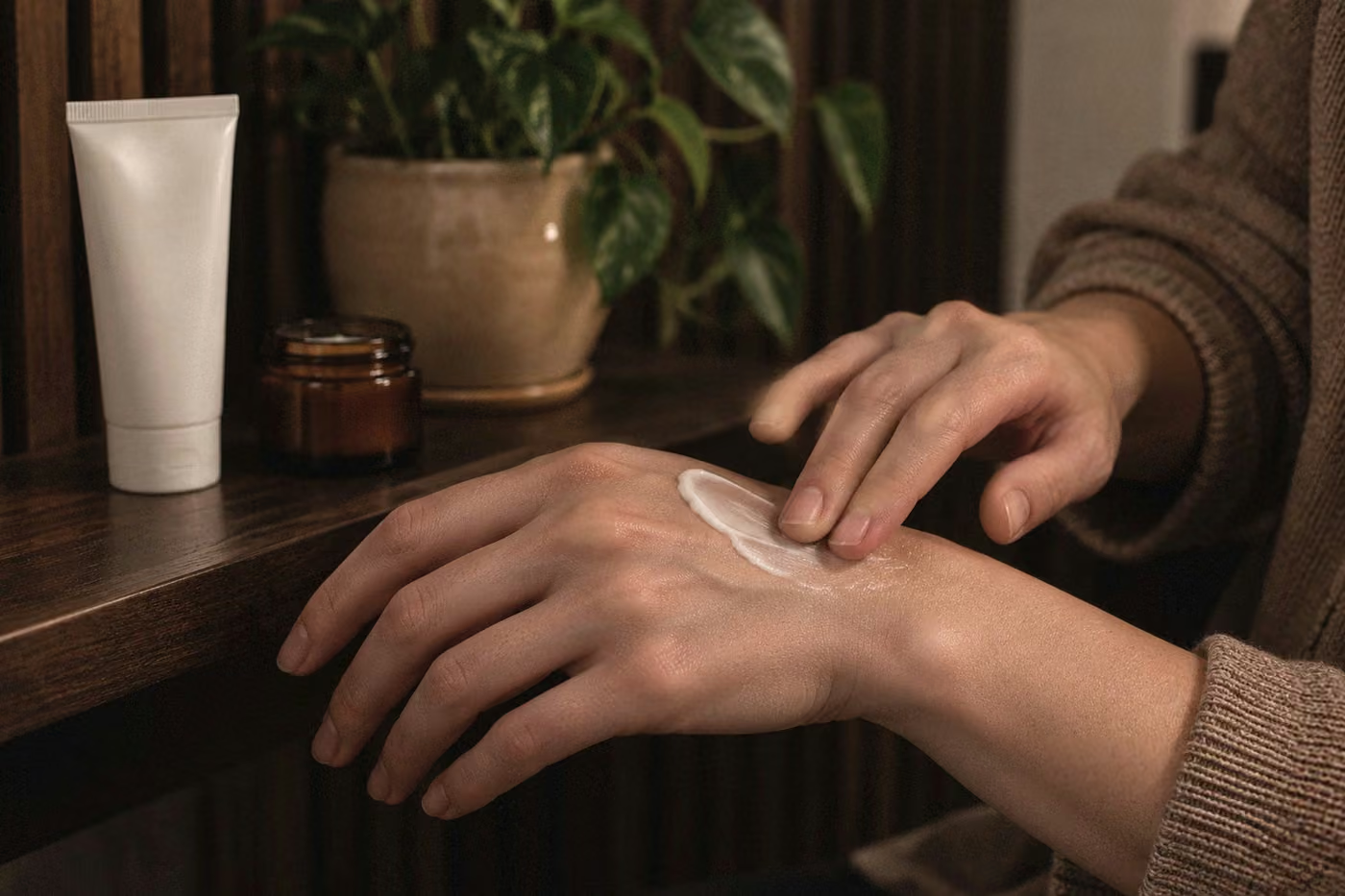 Skin treatmentsAfter a course of isotretinoin, the skin stays thin and dry for a long time. People are usually advised to wait several months — check the timing with a dermatologist.
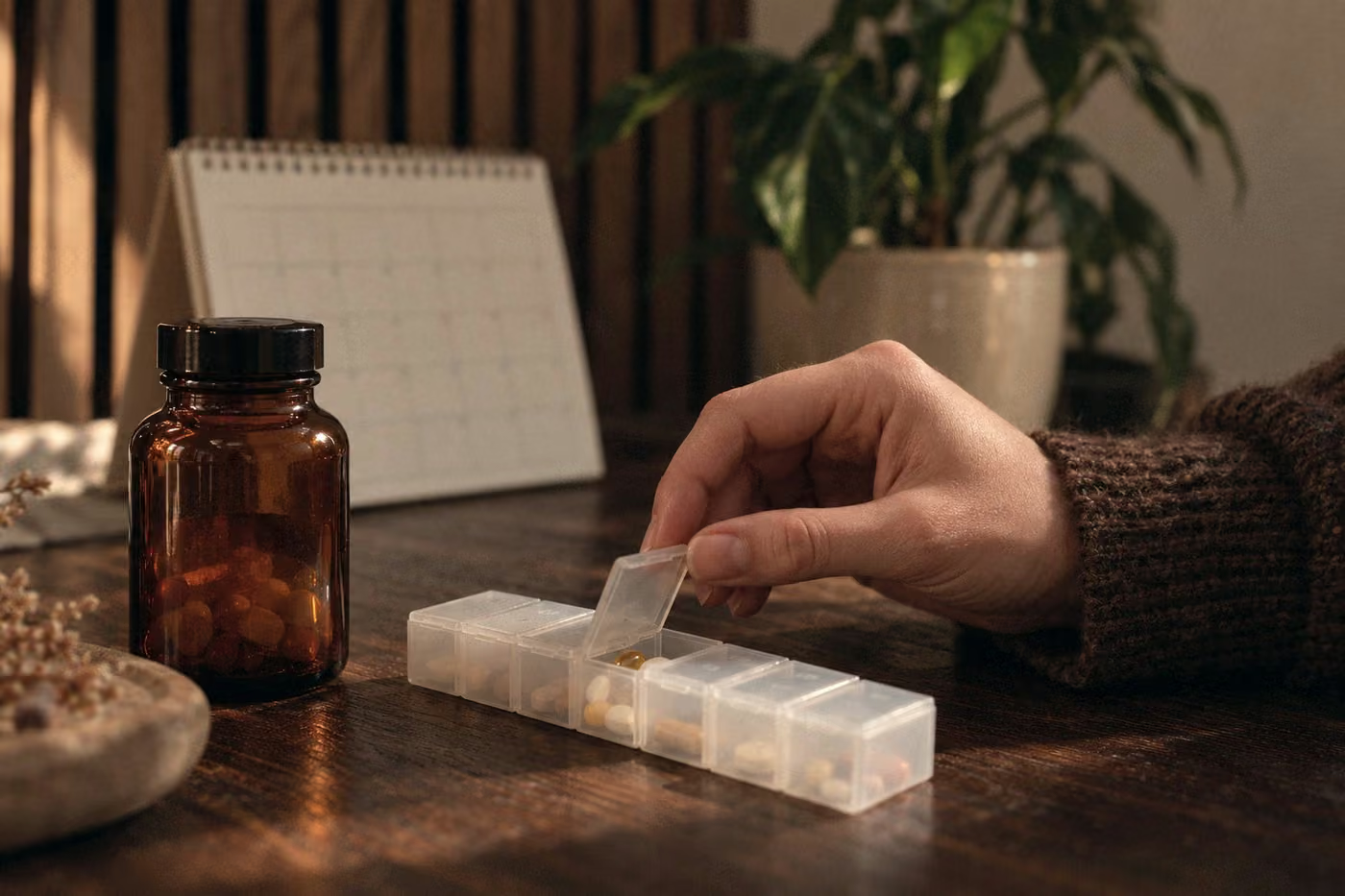 Antibiotics and hormonesIf you’re being treated for an infection, it’s better to wait until the course is over. You should also mention any hormonal creams you use where you want the tattoo.
Chronic illnesses
A chronic illness doesn’t rule out a tattoo. Lots of people with diabetes, asthma or blood pressure problems get tattooed. What matters is that the condition is under control, and that your doctor knows what you’re planning.
- Diabetes. When blood sugar is unstable, the skin heals more slowly and gets inflamed more easily.
- Clotting problems. Bleeding makes it harder for the skin to retain the pigment, and healing takes longer.
- Heart conditions and epilepsy. You need a doctor’s assessment; the artist needs to know so they can plan breaks.
- Autoimmune diseases. During a flare-up the session is postponed; in remission, the decision is made together with your doctor.
- A tendency to develop keloids. If your scars tend to become thick and raised, a tattoo may heal the same way.
This guide doesn’t replace a consultation with a specialist. If you’re unsure, it’s better to ask your doctor beforehand than to deal with the consequences later.
The skin where the design will go
Even if you’re in perfect health, the spot you’ve chosen may not suit a tattoo. Before the session the artist looks at the skin and may suggest moving the design slightly.

Artists work around moles because a doctor needs to keep an eye on them, and tattoo pigment makes that harder. More on this in “Tattoos and moles”. Fresh scars need time to mature, usually at least a year. Stretch marks are best tattooed once they’ve turned pale: see “Tattoos over scars and stretch marks”.
Allergic reactions to tattoo ink
An allergy to tattoo pigments is rare, but it does happen. Red and some bright colours cause reactions most often; black does so far less often. A reaction may not appear straight away but weeks or even months later.
If you’ve had a reaction to cosmetics, metals or temporary henna tattoos, tell your artist. If your skin is sensitive, your artist can do a small test dot somewhere inconspicuous and wait to see how your skin reacts.
I mostly use black ink because it’s the least likely to cause a reaction. If colour matters to you and your skin is sensitive, we’ll start with a small test.
What to tell your artist before the session
Everything you say stays between you and your artist. Before you book, check you haven’t forgotten anything:
If you’re unsure about even one of these, it’s better to discuss it at the consultation than on the day of the session.
If you’ve had to postpone a session
Postponing because you’re ill helps protect the result. It doesn’t mean you’re breaking an agreement. Let your artist know as early as you can, and you’ll find a new date together. How the deposit works when you reschedule is explained in “Deposit and booking rules”.

Frequently asked questions
Health is what people ask about most. Can't find your question? Message me on Telegram or Instagram. I reply personally.
Can I get a tattoo during my period?
Yes. Having your period isn’t a reason to avoid getting a tattoo. Your skin can be more sensitive during your period, so the session may hurt more than usual.
Can I have a drink before the session for a bit of courage?
No. Alcohol thins the blood, so the skin bleeds more and doesn’t retain the pigment as well. Don’t drink for at least 24 hours before your session.
Can I get a tattoo after a vaccination?
It’s better to wait a few days for any reaction to pass. A temperature or feeling weak can make both the session and healing harder.
How old do you have to be to get a tattoo?
From 16 if a parent comes with you. If you’re 18 or over, you can come on your own. More on this in “Tattoos for under-18s”.
Can I get a tattoo if I have psoriasis?
Only away from the affected area and during remission. Damage to the skin can trigger new patches, so it’s best to make the decision together with a dermatologist.