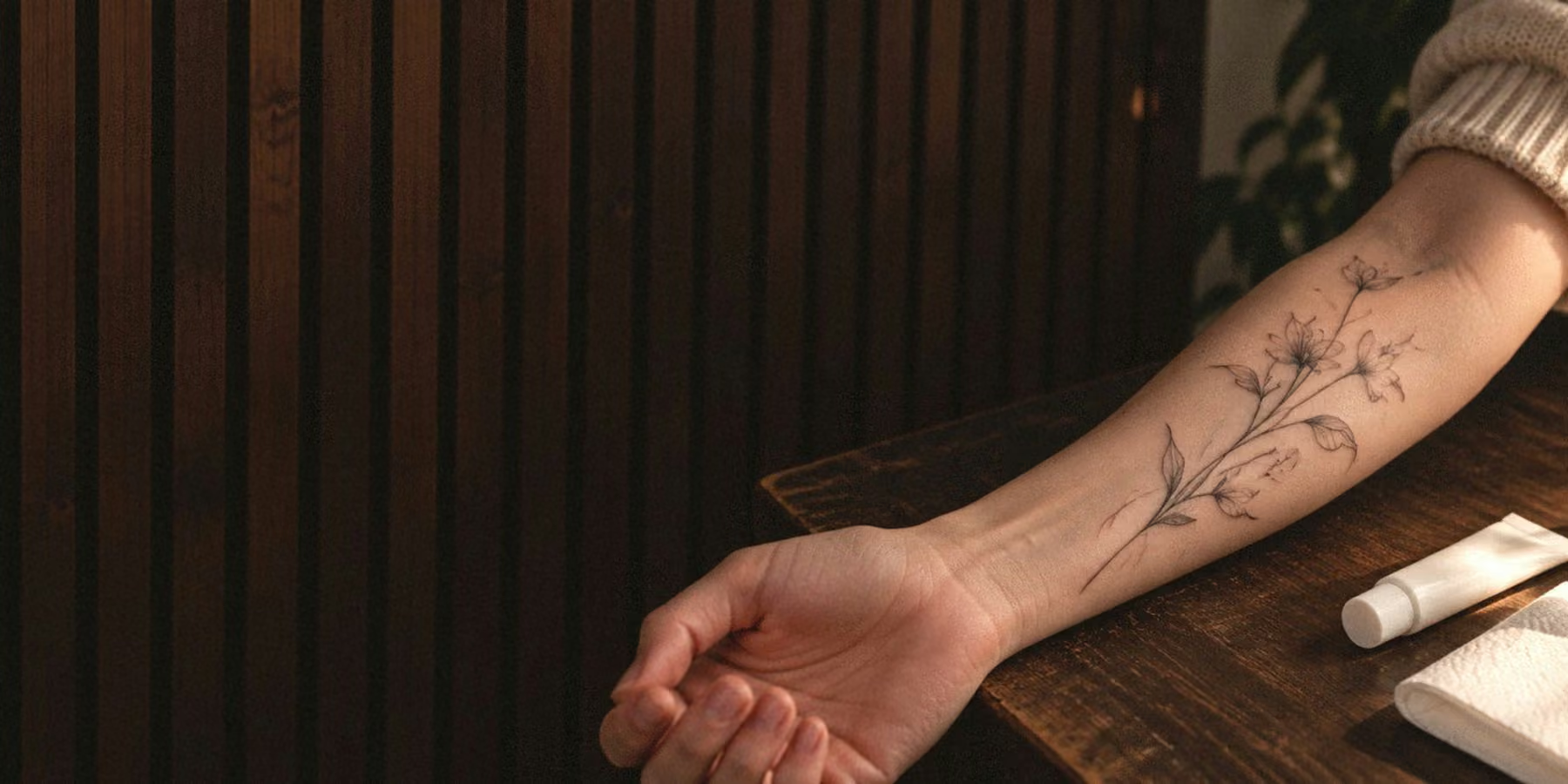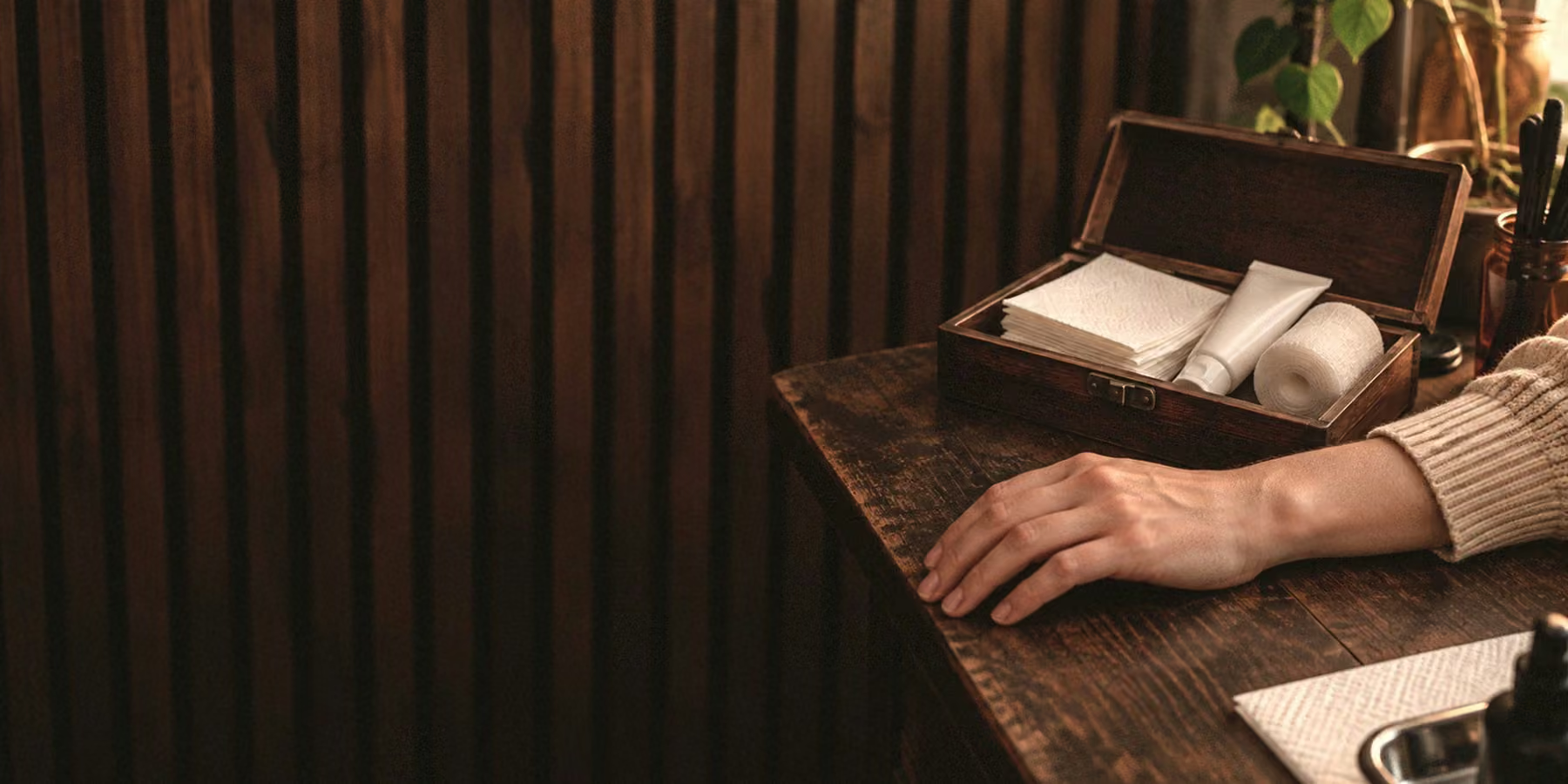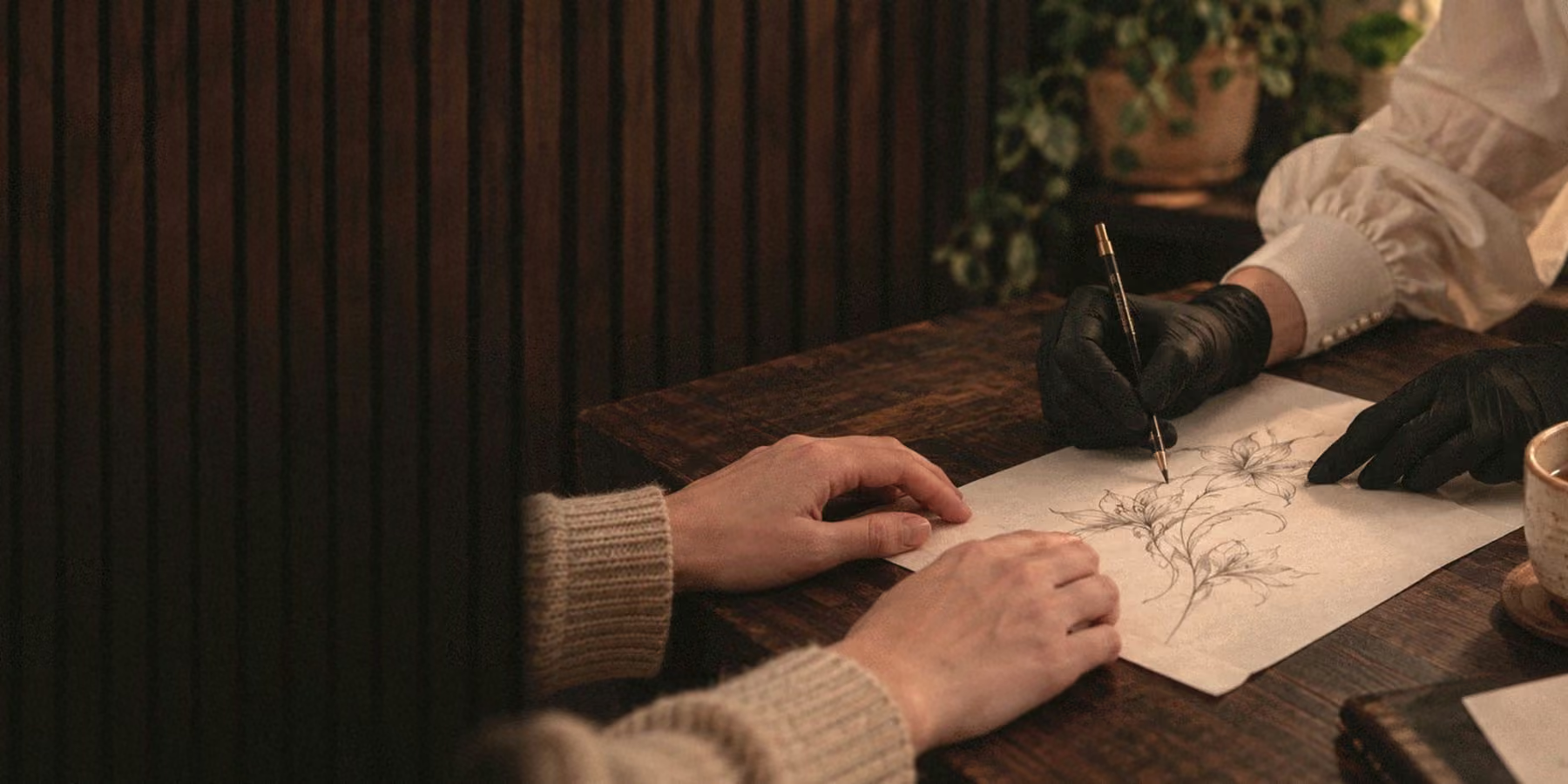

You have the right to know the price and terms in advance, to see sterile, single-use equipment, to ask for a break and to stop the session. Your artist has the right to expect you to be honest about your health, to turn up sober and on time, and to follow the aftercare instructions. They can also turn down work they believe won't heal well or will cause harm. That's part of being a responsible artist.
Your rights
A tattoo is a service, and as a client you have clear rights. Knowing them doesn't mean you distrust your artist; it simply puts both of you at ease.
- to know the price and the deposit and rescheduling terms before you pay;
- to see the design and the stencil before the work starts and ask for changes;
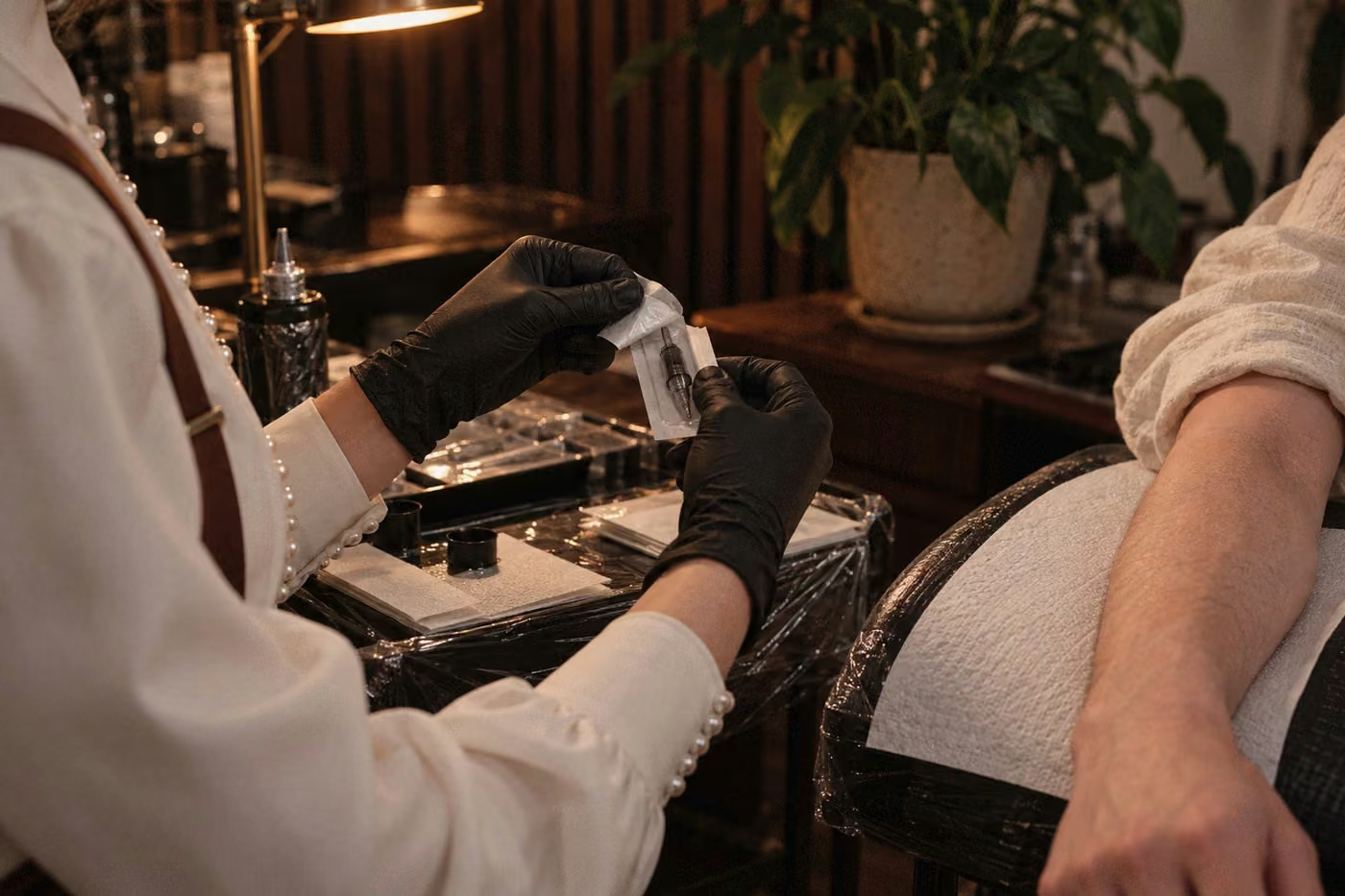
- to watch the needles being taken out of sterile packaging;
- to ask for a break or some water, step out, or stop the session;
- to ask any question about aftercare and get a clear answer.
The artist's rights
Your artist also has the right to say no. Most often they'll turn work down if:
- the client is underage (more on this in “Tattoos for minors: a guide for teenagers and parents”);
- the client turns up drunk or is clearly unwell;
- they're asked to copy another artist's original work;
- the design will quickly blur at that size or in that spot;
- the idea is offensive or simply doesn't sit right with the artist.
Sometimes I talk people out of a particular size or placement. Not because I don't want the job, but because in a few years that design would look worse than you're hoping.
Your responsibilities
The result doesn't depend on the artist alone. Before your session, run through this:
The artist's responsibilities
You have a right to expect more from your artist than a beautiful design.
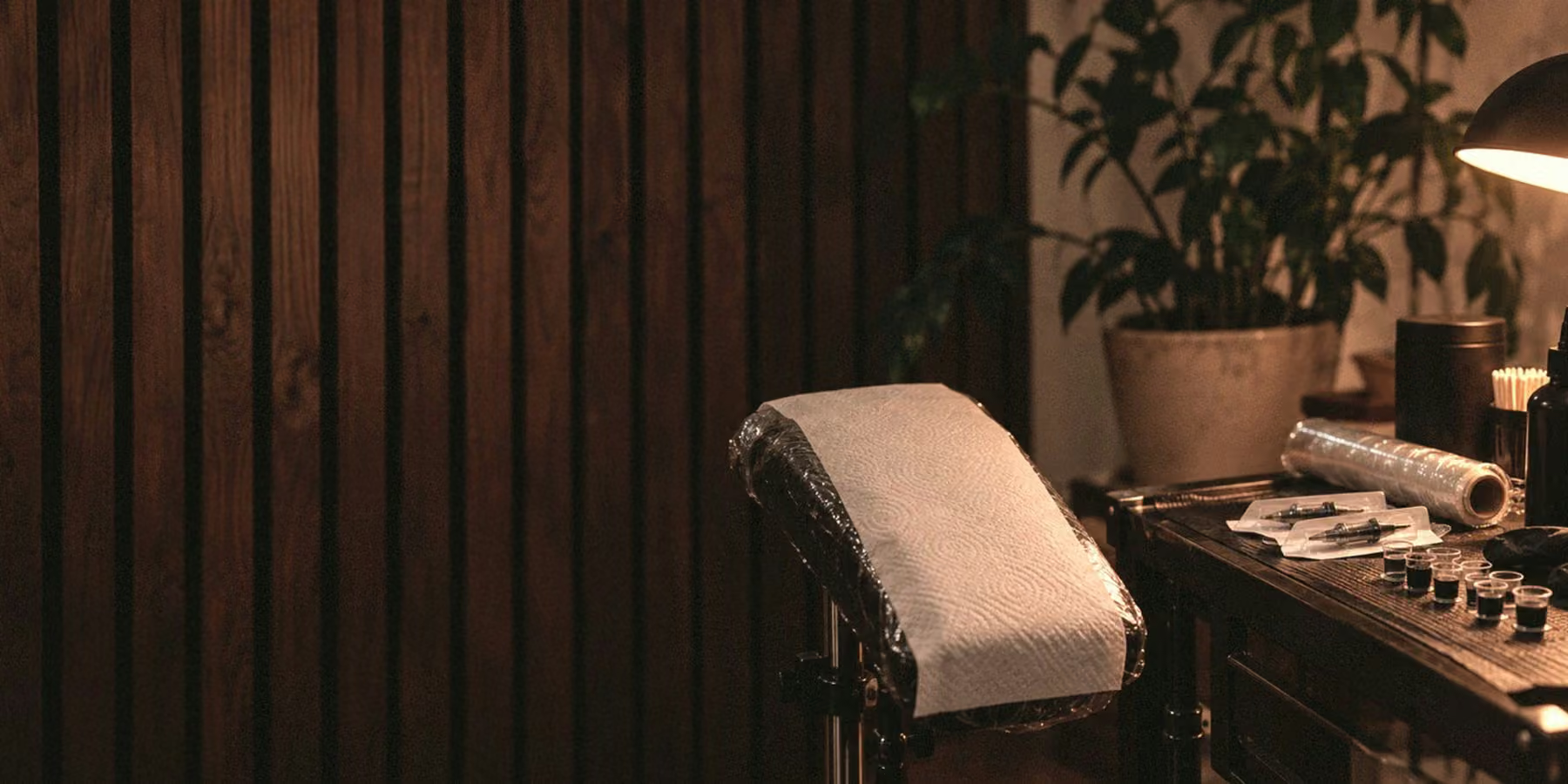
- Cleanliness. Single-use needles, gloves, film and a properly cleaned workstation.
- Honesty. Once agreed, the price doesn't change without a clear reason.
- Explanations. Your artist tells you how to look after the tattoo and answers your questions while it heals.
- Straight talk. If something hasn't turned out right, your artist says so and offers a solution.
How to check out a studio before you even book is covered in “Tattoo studio safety”.
Consent and boundaries
During a session the artist touches your body, sometimes in areas that are usually covered. You have the right to know what they're doing and why, to ask for the rest of you to be covered, and to say if something feels uncomfortable. A good artist will explain what they're going to do before touching you or adjusting your clothing.
If the artist pressures you, rushes you, is rude or touches you more than the work requires, you have the right to stop the session and leave. That's not being difficult.
How to spot this kind of thing before you book is covered in “Red flags when choosing an artist”.
If something goes wrong
Most disagreements can be sorted out by talking. The key is not to jump to conclusions: a fresh tattoo looks nothing like a healed one.
- Say so straight awayIf something bothers you during the session, speak up while it can still be fixed.
- Wait for it to healRedness, swelling and cloudy skin are deceptive, so it's too early to judge.
- Show your artistSend a photo taken in good light or visit the studio.
- Agree on a solutionMost often it's a touch-up, sometimes some further work on the design.
More on this in “What to do if you don't like your tattoo” and “Tattoo touch-ups”.
It's fine to speak up
Almost every awkward moment in a session can be cleared up with one sentence: “I need a break”, “could you go a bit slower?”, “I'd like to look at it again”. It's easier for an artist to respond when you say what you need than to guess why your arm is tense.
Frequently asked questions
About the rules during a session. Can't find your question? Message me on Telegram or Instagram. I reply personally.
Can an artist turn me down without explaining why?
They can, but a good artist will usually explain: the style isn't theirs, the placement isn't right, or the idea won't work at that size.
Do I have to sign a consent form?
Many studios ask you to fill in a health questionnaire and a consent form. These protect both you and the artist.
Can I film the process on my phone?
Ask first. Artists usually don't mind, as long as other clients aren't in shot and it doesn't get in the way of the work.
Does the artist have to fix the tattoo for free?
It depends on the cause. If the flaw comes down to the work itself, many artists will do a touch-up. If it comes down to aftercare, that's a separate conversation. More on this in “Tattoo touch-ups”.
What if the artist goes back on what we agreed?
First, talk it through calmly, ideally in writing. If that doesn't help, you can leave an honest review that sticks to the facts, without insults.